When clients come to see me in 2026, they often show up with mood boards plastered with the likes of “Scandi calm” or “French elegance.”
They’ve been browsing through Pinterest, collecting ideas, and inspiration – and they’re pretty clear on what they want their space to look like. A lot of them have tried to give their homes that ‘look’ on their own, but they’ve ended up seeking help from a pro because it’s just not quite hitting the mark.
But when we sit down to talk about what they really want their home to feel like – the emotions they want to experience when they walk through the door – the conversation takes a surprising turn.
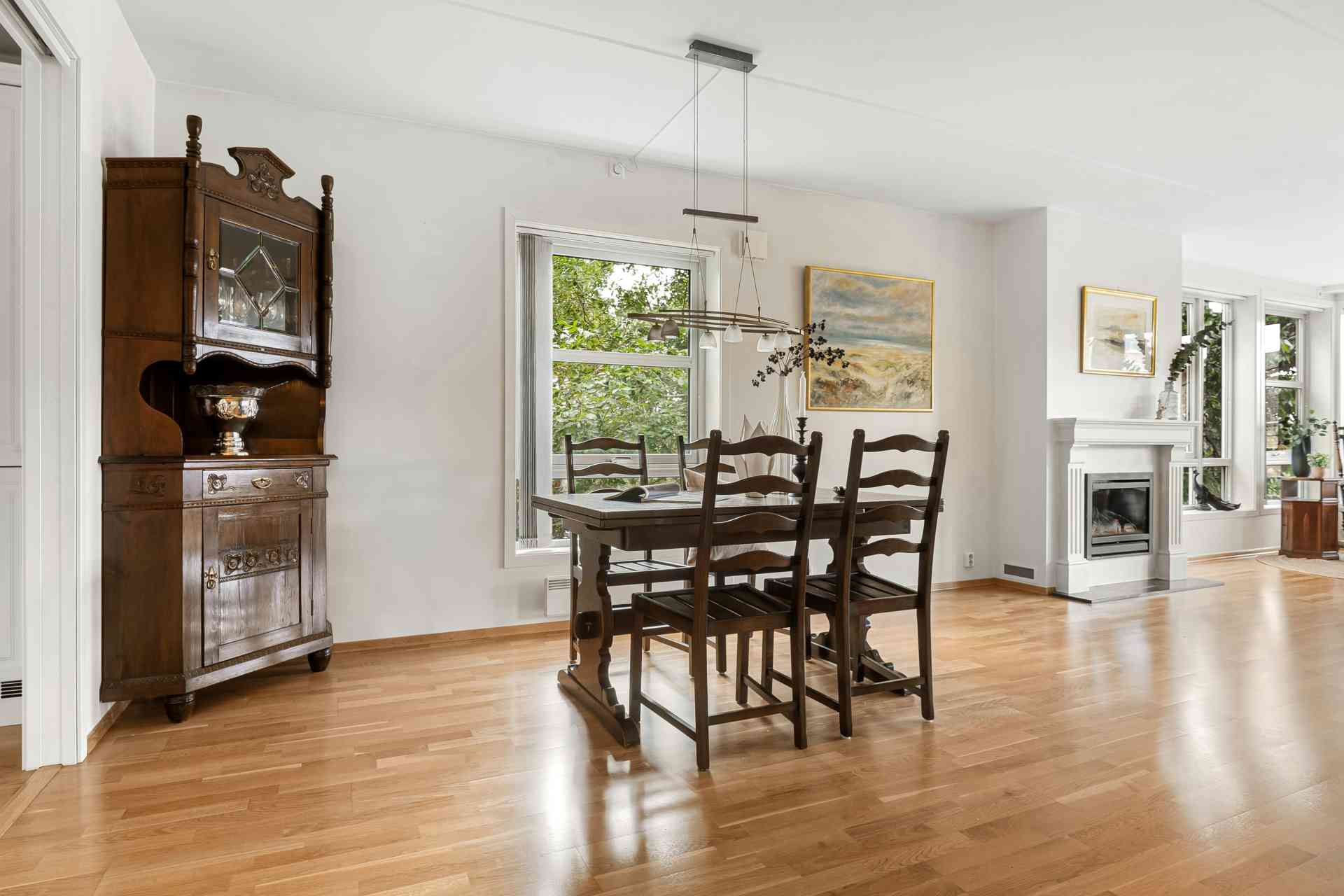
They start talking about layers – about worn leather couches and books stacked on side tables – and rooms that somehow feel like they’ve been inherited, rather than carefully curated.
What they’re actually describing, whether they realise it or not, is a distinctly British aesthetic.
The latest UK interior design trends for 2026 are all about moving on from cold, minimalist spaces, and embracing a more laid-back, natural approach to design. Simple, yet warmly characterful spaces that feel comfortable and relaxed are the name of the game – and that’s in direct opposition to the stark, minimalist look that’s been so popular in the past.
This isn’t just a trend, it’s a homecoming. British interior design has a knack of turning clients’ ideas into reality, by tapping into their unique tastes and personality – and for nearly a century now, it’s been quietly shaping how the world thinks about “home”. Yet we rarely give “British style” the same kind of reverence that we reserve for other national aesthetics.
This article’s here to change that. From the English country houses that first laid down the template to the Tokyo apartments now borrowing our colour palettes, I’ll be exploring why British interiors are so good at translating across cultures and continents. We’ll look at the principles that make this work in any room, anywhere, and ask the question: is there still something distinctly British about our interior design, or has globalisation melted it all down into a universal comfort language?
What this article looks at:
- The country houses that established the template for British interior design
- The core characteristics that define the British approach to room design
- How UK aesthetics translate across residential and commercial projects around the world
- Regional perspectives – like how interior designers in Durham contribute to the story
- Practical tips for incorporating British principles into your own home
- The future of British design in a world that’s increasingly globalised
From Country Houses to Global Templates: A Brief History of British Interior Design
The English country house set the tone: not the gilded opulence of some of these over-the-top Continental palaces – but something far more interesting: lived-in grandeur that masks its comfort as carelessness. Deep, sprawling sofas squashed in for conversation rather than display. Persian rugs that’ve been worn through by generations of Labradors. Paintings that are foxed with age, stuck on faded wallpaper. That was British interior design in a nutshell – and it’s been our most successful export to date, courtesy of the craftsmanship and artistry of the people who created it.
Interior designers like Nancy Lancaster helped codify this aesthetic through her work in London and the Cotswolds from the 1930s right on through to the 1950s. She spent nearly a decade honing her craft before she even established her signature style – and by the time she did, it was renowned for its meticulous attention to detail. Lancaster layered prints from eighteenth-century archives onto slipcovers, paired scrubbed pine floors with inherited Georgian sideboards – and popularised that now-iconic “faded elegance” look. Ever since, many of London’s top interior designers have been creating bespoke designs that reflect each client’s unique style and needs – and Lancaster’s approach to design as a collection of accumulated, rather than carefully-curated, pieces started it all.
Post-war Britain turned this philosophy into a necessity. A 1947 report showed that 70% of households were hanging onto pre-war furniture – which, of course, meant these eclectic mixes of old and new became the very thing people aspired to. Rationing, as it turned out, was actually the best thing that ever happened to the look – threadbare rugs, mismatched china – these weren’t compromises, they were part of the charm. By the 1950s, even American design magazines were featuring the “English country” look – though they rarely gave credit to its distinctly British roots.
These days, there’s a staggering 1,499 interior designers in London alone, with many carrying on the legacy of designers like Lancaster. One platform, Houzz, lists them all.
The late twentieth century saw some changes, but not a complete overhaul. Open-plan kitchens and conservatories became the norm, but they were still dressed in William Morris wallpapers and tartan cushions. The underlying bones of the design may have modernised, but the soul remained.
Key turning points in British interior design:
- 1933 – Nancy Lancaster’s first makeover at Haseley Court stamps the country house aesthetic
- 1960s – The rise of the “county house” look through influential London decorators
- 1990s – Global recognition of muted colour palettes brings British design to the world’s attention
- 2010s – Pinterest and Instagram turn British maximalism into a searchable style
The DNA of British Interiors: Layered, Eccentric, Relaxed
Imagine a sitting room that perfectly encapsulates what we think of as quintessentially British: big windows with linen Roman blinds letting in the afternoon light onto a worn Chesterfield sofa piled high with Harris Tweed cushions.
The walls are a muddle of a grey-beige wash over the original ornate cornicing. Bookshelves are groaning under the weight of vintage Penguins and out of date encyclopedias and then theres a brass reading lamp casting warm pools of light beside a threadbare Axminster rug. The result is a carefully curated space that’s full of character and warmth, with every item chosen to suit its specific spot – ensuring the room is both comfy and practical. Nothing matches exactly, yet nothing feels out of place.
Textile Abundance
British interior design has a long history of layering textiles to create depth without looking like a mess. The rule of thumb is at least five different types of fabric per room – think velvet, linen, wool, cotton, and leather – and these days it seems to be a minimum of five. You’ll often see a mix of bouclé, velvet, wool and linen in the same room, a trend that’s got its roots in this British approach. The way to mix patterns is simple – scale the biggest motifs on the upholstery, the medium-sized ones on the curtains and the smallest on the cushions. This creates a sense of rhythm, rather than just a jumbled mess.
Colour Philosophy
In Britain, we do colour in a way that’s a bit different from the rest of the world. We’ve ditched icy greys and stark whites for what we call our New Neutrals – think clay, terracotta, ochre and deep, rich mushroom tones. Walls get “muddy” neutrals, which is just a fancy way of saying theyre a bit dirty and have a purple or green undertone rather than being nice and clean. Woodwork takes on richer tones too – deep blues with a green undertone, heritage greens that look aged rather than fresh. And then theres pattern drenching, where you cover all the surfaces in a room with the same – or at least similar – pattern. Its a big trend in Britain.
Celebrating Imperfection
British rooms celebrate patina – that lovely old look that comes from age and use. Christie’s auction data from 2025 shows that old, patinated brass door furniture from 1850 is selling for up to 50% more than new, shiny reproductions. We treat uneven lime plaster, chipped paint and worn leather as assets rather than as things that need to be fixed. There’s a growing love of vintage pieces and curated nostalgia in home styling, mixing old with new. This is all about creating unique, eclectic collections with bold patterns and rich tones.
The Role of Architecture
Interior architecture – the bones of a room – provides the framework for all the pretty bits. Deep skirting boards, picture rails and inglenooks all help to create a sense of containment for our furniture, while curved furniture and soft shapes make a room feel comfy and inviting. And if you want to make a real statement, sculptural and oversized furniture designs are just the ticket.
Comfort Over Display
British rooms are all about function over form. We want rooms that invite us to sit down and stay a while, not rooms that are just there to show off. That’s why we look for sofas with deep seats – 22-24 inches deep – and table lamps that give us a decent amount of light for reading. Furniture is often arranged in a U-shape to create a sense of conversation. Its all about creating a space that feels like home, rather than one that just looks good.
How British Interiors Travel: From the US to Japan
The principles behind British interior design are adaptable and flexible – theyre not just a one-size-fits-all approach. Whether youve got a small city apartment or a big country house, these principles will help you create a space that feels expansive and light-filled. Of course, the specifics will vary depending on where you are in the world, but the underlying philosophy is the same. British design is all about creating a space that feels both functional and welcoming.
United States
In the US, the clubby, book-lined library is all the rage – it’s a status symbol in New York, at least. StreetEasy data from 2025 shows that 35% of Manhattans spec homes now feature British-style layering. On the West Coast, California is putting its own spin on the style, mixing English floral fabrics with rattan and biophilic light. Biophilic design is all about bringing the outside in, and British florals pair really well with the emphasis on natural materials and greenery.
Europe
In the rest of Europe, the style is being interpreted in different ways. In Paris, Haussmann apartments are layering geometric British wallpapers over traditional boiserie, while Milanese lofts are mixing tweeds and checks with travertine and terrazzo. The key is to soften, rather than replace, existing architecture.
Asia
Tokyo, on the other hand, is taking the style and running with it. Japanese designers are adapting the principles for tiny 50-square-metre flats, using scaled-down prints and multi-functional joinery that echoes Georgian window seats. And in a country that’s already big on natural materials, the emphasis on sustainable materials like wood, stone and natural fibres is resonating strongly.
Key exportable principles:
- Its adaptable – works for spaces from 400 to 5,000 square feet
- Its culturally neutral – layering absorbs local art and objects
- Its climate resilient – breathable linens and natural fibres
- Its all about philosophy over formula – the principles apply anywhere
Behind the Scenes: How UK Interior Design Brands Build Global Demand
In conversations with senior figures at major British paint, fabric and wallpaper companies – let’s just call them what they are for now, so as not to give any of them undue prominence – a pretty clear pattern starts to emerge for the way UK interior design is exported to the world. The brain power of UK interior designers, combined with the fact that a lot of them work as part of a team, means that each project benefits from a mix of different skills and perspectives – and that leads to a really successful outcome for the client. We’re not talking about just interior design here either – the companies involved also offer a pretty complete service that includes furniture, product design, branding and creative direction. As a result, they can deliver a whole solution that’s been thought through from top to bottom, with every detail nailed down, so that it all looks really polished.
Archive Work
Design directors spend a lot of time poring over 19th-century ledgers, carefully taking note of the details. And they’re not just talking about copying old designs – they’re scanning them, re-proportioning them (often making them a bit bigger, 20% bigger in fact, so they can fit modern sofas), and refurbing them in colours that match the original pigments. So if you wanted a Georgian green that was popular back in the 1820s but had some dodgy 18th-century chemicals in it, they can give you a low-VOC alternative that looks identical but is safe to use today.
Regional Colour Strategies
When it comes to choosing colours for export, they take a really careful approach. They’ve got data from all over the world showing what people in different places like and it’s not just guesswork. In North America, it’s all about smoky blues and blue-greys – think Hamptons libraries – that takes up about 45% of their export volume. Southern Europe and the Middle East prefer warm stones and terracottas, at about 30% of the market. Northern Europe and East Asia go for softer greens and greys. It’s all about getting the right look for the region.
Sustainability as Strategy
So what does all this mean in terms of sustainability? Well, it’s about using materials and processes that are kind to the environment and efficient in terms of resource use. That means using recycled materials, energy efficient appliances and low-VOC paints and finishes to improve indoor air quality. Some of the bigger UK companies are really making a push on this, with 60% of their cotton grounds being recycled, and 90% of their inks being plant-based. Sustainable design is about building spaces that are not just good for the planet but also good for the people who use them – and that means thinking about how you can make the space work for them, with natural light, biophilic elements and all the rest.
The concept of sustainability in design also has a lot to do with creating spaces that are good for people, that make them feel happy and comfortable. And you can do that by paying attention to the way you lay out the space, the amount of natural light it gets and the biophilic elements you include.
What drives UK brand success internationally:
- Using heritage colours that are really authentic
- Calibrating your colour schemes to the region you’re in
- Showing off what you can do in trade fair demo rooms
- Using long production cycles to show you care about sustainability
Durham and the Northern Thread: Regional Voices in British Interior Design
People often think of British design as being all about London, but that’s just not the case. Take Durham – a UNESCO city built around a medieval cathedral, Georgian streets and mining heritage. Durham is a pretty compelling case study on how regional interpretation can be used in design.
Durham interior designers draw on all sorts of local sources that London studios might not be able to tap into. And they do this by connecting with clients to get a real feel for what they’re looking for – so each project ends up being a true collaboration. And the local stone palette – warm honey-yellows and cool greys – is a huge influence on the wall colours. The River Wear’s mists inspire all sorts of complex neutrals with blue undertones. And the cathedral’s ribbed vaults give you a sense of robust textures and scholarly simplicity. Some of the key themes in UK interior design right now are a return to rich, earthy colours and a focus on spaces that are really good for you – like spaces that promote well-being and comfort.
In Durham, typical schemes might feature deep window seats framing river views, textured wall finishes that echo limestone facades and robust upholstery fabrics that are tested to 100,000 rubs for durability in student lets and family homes. And the aesthetic is quietly scholarly yet practical – there’s a lot of coal-mining heritage going on here that gives you matte blacks and ochres that you don’t see in southern interpretations. Designers in Durham show real respect for the region’s architectural history and they work hard to integrate historic features with modern design.
Building a successful interior design business is all about understanding your target market and being able to differentiate yourself from your competitors. Knowing your way around the relevant legislation and regulations is essential – it’s the only way to stay compliant and keep your reputation intact. In Durham, studios have found a way to differentiate themselves by tapping into this sense of northernism – Herdwick tweeds and Whitby jet inlays that really appeal to the rustic markets in the US and Scandinavian cabin culture.
What makes Durham’s interpretation unique:
- Using local architecture and landscape to inform your stone palette
- Drawing on mining heritage for unique colours and textures
- Building spaces that are practical and durable
- A sense of scholarly minimalism, with a focus on joinery
- Regional export appeal to all the right markets
 Room by Room: Applying British Principles at Home
So all this is really interesting, but what can you do in your own home? Well, the principles of British interior design can be applied in all sorts of ways – and we’ve got some ideas to get you started.
British principles really come into their own whenever you apply them thoughtfully to your own home, especially when interior designers sit down with you & use your personal taste to shape a completely unique look that feels just right for you. At the start of the project, they work out how to turn your ideas, your hopes & what you need from a room into inspiring concepts that make a real difference to you. If you’re looking for a specific style, whether its traditional or modern, you can let them know & they’ll make sure that your design reflects that perfectly. The great thing about British design is that it can be adapted to suit just about any budget, making it accessible to just about anyone. Working with a designer every step of the way gives you that extra confidence in your choices & the finished result.
Living Room
Start with one really beautiful piece of furniture you already own, whether its a family heirloom or a vintage find. Add a couple of table lamps placed at different heights, on the floor, on a table & on the wall. Then start to layer in the colours – start with light colours near the windows & gradually deepen them as you move away from the light. And just to keep things interesting, don’t be afraid to break some of the symmetry rules & create a bit of visual interest by having one or two things that don’t match. That way the space feels lived-in & relaxed.
Kitchen
When its all about the family home, you want to make sure that the design is all about functionality & that every space feels really comfortable & welcoming. That means looking at the layout & making sure that it really does work for everyone & incorporates lots of natural light if possible. Open-plan layouts are really popular for this because they make the space feel bigger & more sociable. Consider mixing up the colours on your kitchen units – a neutral background with a contrasting island & showcase your favourite kitchen bits on open shelving rather than hiding them away.
Bedroom
This is the one space where you really can let your hair down & go for pure & simple comfort. Think about using quilted headboards in traditional prints & heavy linen thats perfect for regulating the temperature. & when it comes to the colours, think about gradually darkening them as the day goes on, so you go from daytime neutrals to soft mauves & dusky pinks as you wind down.
Hallway
If you’ve got a narrow hallway, try using reflective colours on the risers to make the space feel bigger. Add a runner to your oak treads to make them feel warmer underfoot & to add a bit of texture, and you’ll be making that great first impression on anyone who walks in.
Golden rules for translating British style:
- Always have one single statement piece in each room – whether its your grandmother’s antique dresser or a vintage armchair
- Mix & match 4-6 different types of fabric in each space to give it real depth & interest
- Don’t be afraid to play with colour gradations – go from light to dark as you move through the space
- Prioritise functionality & make sure you’ve got good flow through the space – that way you can get around easily & enjoy the space without any obstacles
- Build your space up over time – don’t feel like you have to go out & buy everything at once, that just ends up feeling impersonal
- And last but not least, don’t be afraid to add patina & character to your space – that’s what really makes it feel like home
Is There Still a Distinct British Look? Globalisation and the Future
In recent years, it feels like the rise of Instagram has made it almost impossible to tell what’s British & what’s just another global design aesthetic. But the reality is that the current obsession with minimalist beige is not faring too well on the housing market – a recent report found that homes that embrace traditional British design are actually selling for 15% more 5 years down the line. So it looks like that distinctive British look is still going strong.
Interior designers need to stay ahead of the game & make sure they’ve got a strong online presence – most clients are searching for them on social media these days. & yet despite all the changes in the industry, the old adage that ‘good design is timeless’ still holds true – & that’s what makes a proper British design so valuable.
One of the things that’s happening right now is that some of the top designers in the UK are taking a bold step forward & rethinking the way they approach traditional design. They’re combining chintz with terrazzo floors, classic panelling with modern steel-framed doors & then adding in all the latest smart tech to make the space feel really connected. & with the amount of talent coming through from places like London, Manchester & Edinburgh, it’s exciting to think about what the future might hold.
But to get there, designers need to be able to put in the work & really focus on delivering results that their clients love. That means working closely with clients throughout the whole process & giving them the confidence to know that they’re making good choices. & with the amount of fabulous resources out there to help you get the most out of your interior design experience, there’s never been a better time to take the plunge.
Predictions for British design to 2035:
- 60% of the world’s new ‘comfort’ schemes will be drawing on those British attitudes of generosity & a love of textiles
- The global demand for textiles is going to go up by a third as people become more & more interested in creating spaces that feel warm & inviting
- As we become more & more tired of perfection – whether it’s through Instagram or just through living in a world where everything’s a bit too perfect – the demand for patina & character is only going to go up
- & last but not least, it looks like the design industry is going to shift to a more philosophical approach, rather than just about aesthetics.
Conclusion: The Quiet Power of British Interiors
It’s been the quiet, understated approach that’s made British design a real force to be reckoned with – because unlike all the other national styles which just shout about how fabulous they are, the British approach has always been about slipping into homes unobtrusively through the back door. A bit of paint here, a layer of fabric there, a bit of patina to give it all a bit of character… & before you know it, you’ve got a space that’s all about warmth & personality.
The journey from country mansions in the English countryside to modern apartments in Tokyo, New York, and Milan is a pretty telling one: it shows, at its heart, that comfort is a universal language. The principles that came out of a post-war necessity – like taking a collection of old family heirlooms and mixing them up with new stuff, celebrating the imperfections that come with age and experience, and prioritising the warm, lived-in feel of a home over sterile, picture-perfect perfection – have become the things that, deep down, just about everyone wants in a home these days in this world that’s so sick of perfection.
Key takeaways for anyone who’s ever been drawn to the laid back style of British interiors are:
- Don’t worry if your old piece doesn’t match your new one – just put the two together and see what happens
- Worn out leather, faded fabrics, a bit of tarnish on the brass – that’s all good, that’s all part of what makes a place feel characterful & lived in
- Make your rooms for living in, not just for taking Instagram pictures of (even though lets be real, those pictures are a big part of it)
- Build up your collection of favourite things over time, rather than trying to go out and buy everything all at once
- If you want that quintessentially British look, think about working with a UK designer or studio who get the way of life that underpins it all
- Your home should be a reflection of YOU & your story, not just the latest design trend
The quiet export of British style & sensibility is still going on – and I think thats just how its meant to be.
–
Featured Image Photo by Alex Tyson