Has the Law Finally Caught Up With Sustainability?
In December 2025 we reached a tipping point that many in the heritage sector had been waiting years for – the draft National Planning Policy Framework revisions hit the books in mid December, and are out for consultation until March 10th 2026.
This marks a seismic shift in how England’s planning system treats historic buildings in the face of a climate emergency. For the very first time, national planning policy is putting its weight behind the idea that keeping and renovating existing buildings – including listed buildings and other heritage assets – delivers carbon reduction that really can tip the balance in planning decisions.
Sustainable architecture – or green architecture – is all about cutting our impact on the environment and getting buildings to just blend in with their surroundings. Green architecture puts the emphasis on principles like energy efficiency, water conservation, using natural materials, and smart technology to create sustainable buildings and communities. This really matters because sustainable architecture is at the heart of how we design and renovate buildings to meet our environmental challenges.
This is no small tweak. The UK’s legally binding commitment to hit net zero by 2050 has left every sector scrambling to keep up and our buildings are responsible for around 25-40% of the UK’s territorial carbon emissions. The construction industry has been under the spotlight for years for its demolition-led redevelopment strategies that waste the carbon locked up in old buildings. Heritage advocates and green professionals have been saying for ages that the greenest building is the one that’s already standing. Sustainable architecture is important because it uses way less energy and water in the long run and is built using fewer chemicals that are toxic to humans. And finally, national policy looks like it’s on the same page.
This article is written from the perspective of a UK heritage expert who’s spent decades working with heritage architects, sustainable architects, conservation architects and green architects on real schemes ranging from Georgian townhouse retrofits to Victorian mill conversions and post-war civic building regen projects. The analysis that follows draws on conversations with heritage lawyers, planning experts at Historic England, and local authority staff who are already trialling bits and bobs of this new framework. The whole culture around the need for sustainable architecture has shifted upwards in recent years with the rise of people wanting to live more sustainably.
The central argument is pretty simple: heritage conservation and climate action are now firmly aligned in national planning policy. But what does that actually mean in real terms for people like us who navigate the planning system on a daily basis? The answer lies in how local planners, Planning Inspectors, and practitioners actually interpret and apply the new policy in real decisions. The tools are now in place – the challenge is making sure they’re used with the rigour and creativity this moment demands.
“For the first time ever, the NPPF is explicitly recognising carbon savings from keeping and renovating listed buildings as a public benefit that can outweigh the impact of harming a heritage site.”
From “Optimum Viable Use” to “Climate-Positive Reuse”: What Has Changed in the NPPF?
The new draft NPPF, published in December 2025, brings a load of changes to the heritage chapter, now organised around policies HE4-HE8, with plenty of cross-referencing to the climate and energy policies elsewhere in the framework. This isn’t just a tidying up of old policy. It’s a fundamental shift in how the planning system thinks about the relationship between heritage and sustainable development. They’re now putting more emphasis on the design process in green architecture and urban planning – and early engagement with sustainable design considerations – like where the building goes, what materials get used, and sticking to standards – is now a key part of how practitioners put the new framework into practice.
The Demise of “Optimum Viable Use”
One of the biggest changes is the disappearance of the phrase “optimum viable use” from the policy text. This concept was first introduced in PPS5 back in 2010 and carried on through successive NPPFs. It required applicants to prove that their proposed use for a heritage site was the one that caused least harm while staying financially viable. On paper, this made sense. But in practice, it turned into a battleground.
The issue was that viability assessments often became a right old justification for milking the building for as much financial gain as possible. Developers would argue that only the most expensive use – typically turning it into loads of apartments with loads of internal work – could make a scheme viable, and therefore any damage was justifiable. Conservation bodies would then argue that “optimum” was getting muddled up with “what’s going to make the most profit” rather than “what’s most compatible with the property’s significance”.
The new draft just published replaces all this with more relaxed language. Proposed uses should be consistent with conservation, capable of being used for a long time and should also help out with climate and community goals. The emphasis is shifting away from finding some single “optimum” use and towards proving that the proposed use is compatible with the site’s significance and delivers some real public benefits – including carbon reduction.
New Emphasis on Long-Term Low-Carbon Reuse
The revised draft is encouraging the “long-term reuse” of underused historic buildings as one of the “important public benefits” that can be taken into account when weighing up proposals against the impact they might have on designated heritage sites. This is a new development Actually, this had existed in case law and best-practice guidance all along, but now it’s got the weight of explicit policy backing.
The implications are quite big here. Conservation & sustainable architects who are leading on projects to give old buildings what you might call a facelift – think Georgian terraces, Victorian warehouses, post-war civic buildings – now have clear policy backing to argue that keeping these places and upgrading them will deliver benefits that go way beyond simple heritage conservation. Their approach to this kind of project involves a really thorough process that covers all bases – picking sustainable building materials, designing efficient systems for heating and cooling and plumbing, and making sure the building works with its natural surroundings to create eco-friendly homes. Improving energy efficiency, putting in low-carbon heating systems, and getting the building fabric in good nick are all counted as benefits that carry some real weight.
Cross-Referencing Between Heritage and Climate Policies
Up until now, the heritage chapter of the NPPF has worked pretty much in isolation But the revised draft changes all that. It creates lots of cross-references between the heritage policies and the ones on climate resilience, energy efficiency, sustainable design and whole-life carbon, so that schemes are now looked at as a whole rather than just as separate bits that might or might not work together.
The idea of making these connections is actually one that’s been around for a long time – loads of the best practitioners in the field have been treating the idea of keeping existing buildings as a way of doing heritage conservation and sustainability in tandem. And now, finally, the policy framework is catching up.
Bringing Carbon Reduction into the Heritage Balance
To get a handle on how the idea of carbon reduction has become a heritage “public benefit”, you need to look at the way the law and policy work when it comes to listed buildings and conservation areas. Reducing carbon emissions is a big part of what sustainable architecture is all about, and now it’s also a public benefit that you can take into account when deciding on developments that might affect listed buildings or conservation areas. And that’s especially true since buildings are such a big part of the problem when it comes to global CO2 emissions.
The Statutory Framework
The Planning (Listed Buildings and Conservation Areas) Act 1990 is the foundation of all this. Section 66 says that decision-makers have to take a special regard when it comes to preserving listed buildings and their surroundings. Section 16 governs listed building permission applications – these haven’t changed. What has changed is the way the NPPF does the balancing act when there is a bit of heritage harm identified.
Under the current rules and the proposed new rules, when a development proposal does cause harm to a heritage asset, that has to be weighed up against the “public benefits” of the proposal. Public benefits have always included things like social, economic and environmental benefits. And the revised draft makes explicit what was always kind of implicit: saving carbon by keeping and upgrading historic buildings is one of those public benefits.
Moving from Implication to Explicit Policy Support
Up until now, people who were arguing in favour of reusing and retrofitting old buildings could point to the embodied carbon savings, but that was always down to individual Inspector judgements, case law and persuasive arguments rather than a clear policy backstop. The new draft wording changes that – it specifically mentions “energy efficiency and low-carbon heating measures”, and “securing the long-term reuse of a vacant or underused listed building” as examples of important public benefits.
A heritage barrister I talked to put it quite bluntly: “This is a big deal. Inspectors can now point to the policy text when giving weight to carbon arguments. It’s no longer down to discretion or interpretation – it’s plain policy.”
How This Changes Inspector Reasoning
The implications for appeals are pretty big. In most cases involving “less than substantial harm” – which is most of what comes up in heritage appeals – it’s a pretty clear balancing act. If applicants can demonstrate some real evidence of embodied carbon savings, whole-life carbon assessments and a genuine commitment to long-term reuse, then their public benefit arguments are going to carry a lot more weight.
One case recently, involving a Grade II listed villa in Warwickshire, showed the shift in thinking. The Inspector turned down permission for refurbishment and extension partly because the applicant’s carbon arguments weren’t robust enough. Under the new rules, that evidence would carry some weight – but the flipside is that Inspectors are going to expect some serious quantifying, not just vague talk about climate change and sustainability.
Practical note for heritage architects: if you want to make the carbon case for a heritage asset, you’re going to need whole-life carbon assessments comparing retention and demolition-and-rebuild, clear statements on embodied carbon in the existing fabric, and some solid evidence that the proposed retrofit measures do genuinely reduce operational carbon without any unacceptable heritage impact.
The Difference Between Operational and Embodied Carbon in Historic Buildings
The difference between operational and embodied carbon is key to understanding why the policy change on reuse matters so much.
Operational vs Embodied Carbon
Operational carbon refers to the emissions from heating, cooling, lighting and generally keeping a building going over its lifetime. Its got a close link with the building’s energy use and reducing that through retrofits is a key aim of sustainable architecture. On the otherhand, Embodied carbon refers to the emissions from digging up, making, transporting, constructing, keeping going and eventually chucking out materials and the actual structure itself. In the UK, buildings make up roughly 25-40% of total carbon emissions and of that, materials and construction are responsible for about 10-15% of emissions right now.
Now the bit that’s a game-changer: as the electricity grid gets cleaner and heat pumps start replacing gas boilers, the amount of operational carbon in buildings is actually going down. But the embodied carbon that’s locked into existing buildings – the carbon that’s always going to be there, no matter what – cant be recovered once the building is knocked down. Every loadbearing brick wall that gets kept, every bit of original timber that gets preserved, every bit of plaster that still exists represents carbon that won’t have to be emitted in the first place.
Let’s take an example: A 5 storey 1890s warehouse with all the works – loadbearing masonry, original timber joists, sash windows and internal plaster. That could be ripped down and replaced with a new reinforced concrete framed building with all the glitzy new windows. The new build might be super efficient, but the embodied carbon in the steel, cement and glass used in the build could amount to 50-70% more than just giving the old girl a deep renovation – repairing the masonry, insulating where needed, upgrading the windows and so on.
A deep retrofit delivers the same operational improvements but keeps the embodied carbon right where it is – in the building’s existing fabric. By cutting energy use through these measures sustainable architecture doesn’t just help with operational carbon but also helps reduce emissions in the long-term. The draft NPPF is all about taking this whole life carbon thinking into account – aligning with conservation principles that get at the idea of do as little as necessary rather than ripping the whole place up.
Sustainable architects will now need to routinely throw some numbers up about carbon baselining in their heritage and design statements, so decision makers can actually see how the carbon costs of knocking down compare to keeping it standing.
The End of “Optimum Viable Use“
The removal of “optimum viable use” from the NPPF has caused a bit of a kerfuffle amongst the pro’s. Some reckon it’s a chance to break free from a rule that had become distorted. Others are worried about what’s going to replace it.
The Way Things Were
Under the old wording, applicants were expected to prove that their proposed use for a heritage asset was viable and caused the least damage among the other options. In theory, that meant trying out loads of different uses. In practice it often turned into a test of whether a particular use would make enough cash to cover the costs of the development.
That had some pretty dodgy outcomes. Churches got turned into luxury flats because no community use could pay the bills. Victorian hospitals got gutted for apartments because using it as a hotel or something just wasn’t viable. The phrase “optimum viable use” ended up being a reason to do damage rather than prevent it.
Historic England’s Long-Standing Gripes
Historic England have been saying for a while now that they reckon this concept is a bit dodgy. They said in 2018 that it’s open to misinterpretation and that applicants often fail to properly investigate lower impact options before going for something really damaging. The new draft in December responds to these gripes by chucking the specific wording and keeping the underlying principle that uses should be compatible with the building’s significance.
A planning policy lead at Historic England said: “We’re not getting rid of the idea that what people do with a building matters – we’re just moving on from the single “optimum use” test to something a bit more comprehensive. What we want to see is uses that are in line with conservation, that can work for the long term, and that contribute to all sorts of good outcomes like reducing carbon and making the community better.”
What Replaces It
The new framework is looking for applicants to show that their proposed use is a good fit for heritage conservation, that it’s realistic to expect people to use the building over the long term, and that it will contribute positively to all sorts of goals like reducing carbon. This is no less onerous, just different.
For developers and sustainability architects this means you now have to do some real work to test out loads of different uses, integrate community or mixed-use models where that makes sense, and show that your proposed works are the least damaging way to make your building carbon friendly in the long term. The focus is shifting from just making a profit to thinking about sustainable development in all its forms – including environmental and social stuff, with a special emphasis on social sustainability – looking out for people’s well-being, local jobs and community integration in design.
Impact on Viability, Heritage Statements and Design Options
Viability assessments are going to have to be a bit more nuanced now. The old financial metrics are not going to be enough – carbon reduction and heritage considerations are going to have to be taken into account from now on. That doesn’t mean there isn’t a place for making a profit – schemes still have to be workable. But decision makers will want to see viability in the real world – not just a bunch of figures on a spreadsheet. Heritage architects and conservation architects are being forced to get a lot closer to cost consultants & energy modellers in order to shape up option appraisals that actually take into account the impact on both heritage and carbon – & this means getting whole-life carbon assessments commissioned early, trying out loads of different use scenarios, and being prepared to explain that we really do need to do some pretty big interventions to get the job done, not just because it’s a good idea but because it’s actually necessary.
Inspectors are going to be taking a very close look at claims that we simply have to do some big reconfiguring to make an old building workable again – especially where it’s in a lively market with plenty of demand. We can expect to see a lot more rigorous thinking about what alternatives there are to creating a major overhaul – including at least one low-key makeover option & one more substantial option if it’s possible to do so. The days when we could just present one fancy scheme without actually putting in the effort to come up with some decent alternatives are probably over now.
Mandatory Local Lists & the Rise of Everyday Heritage
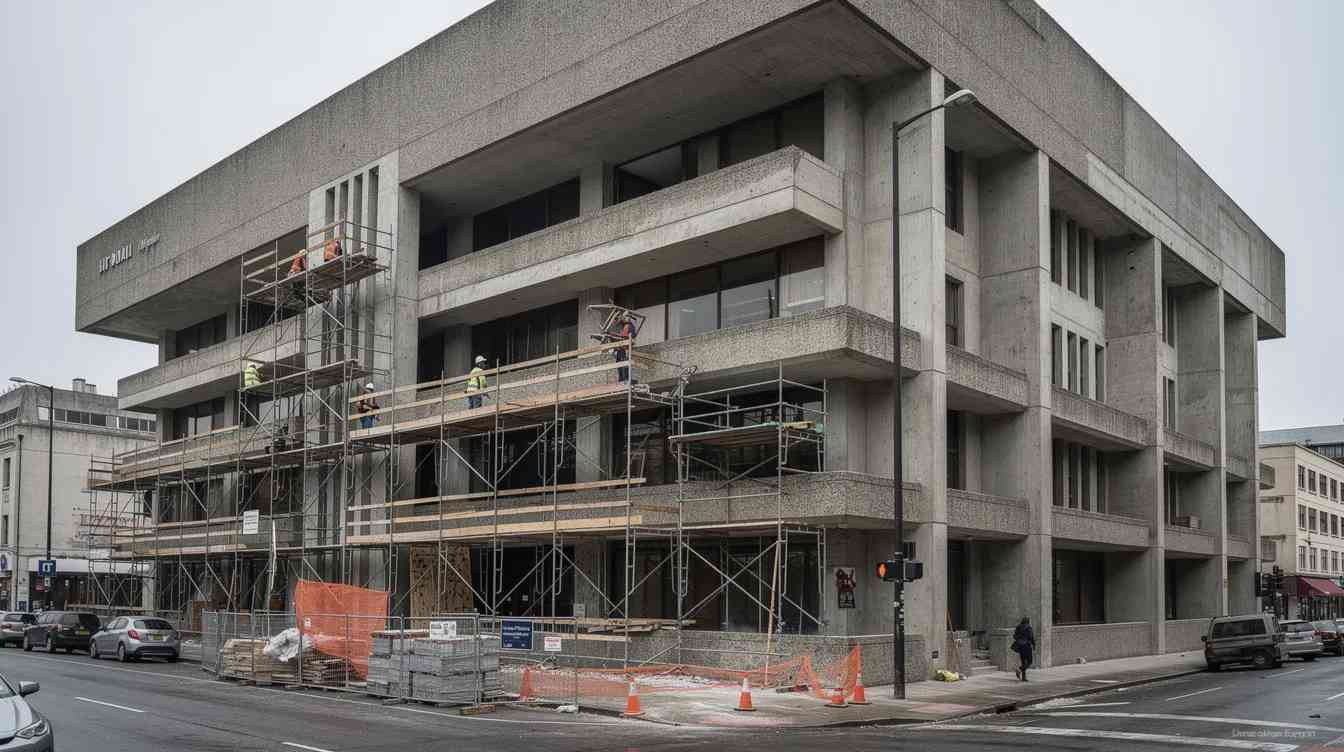
One of the really big changes in the latest draft of the planning rules is that from now on every local authority has to keep a list of non-designated heritage assets thats up-to-date. The aim is for all of these lists to be in place by 2028. This is going to make a massive difference to how everyday planning decisions are made, and it will also create loads of opportunities for deep retrofit & sustainable reuse of old buildings – especially if we make an effort to use materials sourced from locally which will help to boost local economies, reduce our impact on the environment, & strengthen the connection between sustainable design & the region where the building is.
What Local Listing Actually Means
Local listing doesn’t give the same level of protection as having a listing from the Secretary of State – that means it’s still possible to knock down or make a lot of changes to a building thats been locally listed without needing to get permission. However, being on the local list does mean that heritage considerations have to be taken a lot more into account when local planners are making their decisions. It also means we might need to do some sort of heritage-impact assessment even if the building isn’t one of the really special ones thats been listed.
The upshot of all this is that loads more buildings are going to be officially recognised as being worth looking after, and this isn’t just limited to the super-famous old buildings either. We’re talking about all sorts of other places too like post-war housing estates, old industrial sites, parades of shops, 1960s libraries, 1970s health centres & all sorts of other community buildings from over the years.
The Sustainability Angle
Many of these everyday-heritage buildings are great candidates for deep retrofit & sustainable reuse because they are actually pretty simple and unornamented which makes them a lot easier to adapt than some of the other old buildings we look after. They are often in great locations too – like town centres, near public transport, or in established residential areas which makes them pretty sustainable in planning terms.
Upgrading a 1960s civic building, for example, might be cheaper in terms of embodied carbon than knocking it down and replacing it, and it will still deliver a lot of energy efficiency benefits & keep the community use going. Sustainable design is all about finding ways to reduce waste by using buildings that already exist & keeping them in good order which helps to save resources & get us closer to our environmental goals. The fact that local lists are now mandatory means that at last we’re linking heritage recognition with climate targets: if we can identify which old buildings are worth keeping, we can also identify the carbon we don’t need to use.
An officer from a pilot authority in northern England told me that theyre now looking at their local list with a view to sustainability “We’re looking at our local list with a ‘sustainability’ eye now. Which buildings are worth keeping? Which ones are in good locations? Which could support community uses that a new-build project simply couldn’t replicate? The local list isn’t just about preserving heritage – it’s about planning infrastructure for a low carbon future.”
What Local Lists Mean for Architects
For sustainable architects & heritage architects, the fact that local lists are now mandatory means that we have to be a lot more on the ball with our due diligence. Teams will need to assume that loads of what we used to think of as “ordinary” buildings might actually be locally listed either now or very soon. So we’ll need to get on with doing site appraisals that take account of local list coverage & any plans for expanding the list – it’s probably a good idea to get on with local authorities to find out what theyre thinking of doing too.
It’s probably a good idea to get in touch with local communities & civic groups as well – local lists often rely on local knowledge & local affection for certain buildings. Architects who engage with local list reviews – hearing people’s stories about why they love a particular building, understanding what makes it special, & coming up with creative reuse ideas that people will get behind – are more likely to get their schemes accepted than those who just show up with a demolition plan & then start fighting a defensive battle.
Heritage assessments for non-designated assets should be clear & concise without over-complicating things, and we should make it clear how the building’s heritage value links to our carbon & circular economy goals. The message should be: “We understand what makes this building special, and our plan takes that into account while also delivering real sustainability benefits.”
 The Clarified Harm Assessment Framework: Precision at Last
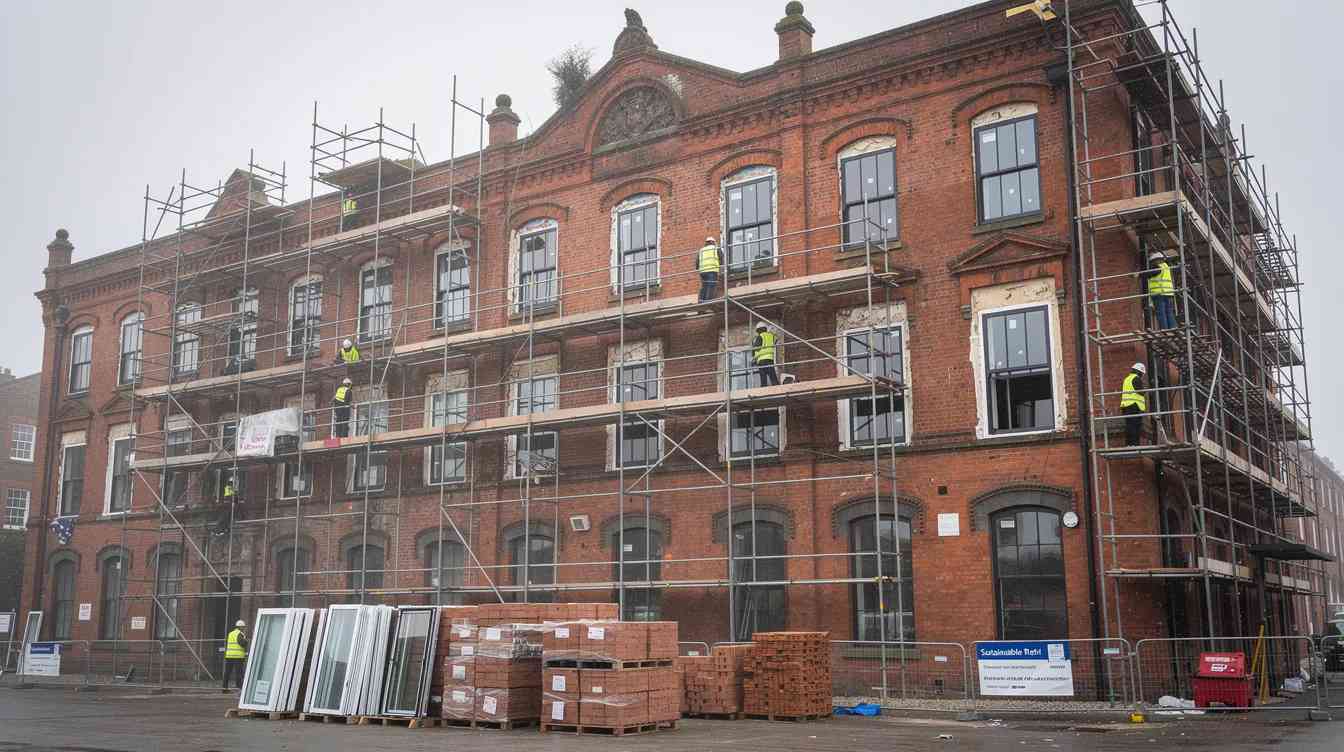
The latest draft of the planning rules introduces some long-awaited clarifications to the heritage harm assessment framework that architects have been asking for. The basic structure of the framework remains the same: we still have to weigh up the harm we’ll do to the heritage against any public benefits, but the Secretary of State is now giving a lot more weight to conservation regardless of whether there’s any actual harm. But the language has been tidied up a bit – and when we’re looking at retrofit interventions – the careful selection of sustainable building materials (like eco-friendly options, materials that can be recycled, & stuff sourced from the region) should help us to get loads more sustainability benefits out of the project while keeping as much of the heritage intact as possible.
Revised Categories of Harm
The latest draft of the rules distinguishes a lot more clearly between enhancement, no effect, harm, substantial harm, & total loss. One of the phrases that used to be a bit of a problem – “less than substantial harm” – which critics said covered everything from a tiny bit of damage to almost-but-not-quite substantial damage – is being reorganised. The aim is to get a lot more clarity about what each of these categories actually means in practice.Substantial harm is a whole lot clearer now – what you’re talking about is harm that would make a real dent in something that makes a building important. That way of putting it avoids getting things mixed up with a building losing almost all its value, and it gives those making the decisions a clearer line to work to. This is really going to shake things up for retrofitting schemes. The thing is, many energy saving jobs do a bit of harm, but very few will meet the mark of seriously affecting something that’s really important about a building.
Carbon and Climate in the Balance
The new policy framework is now explicitly saying that we have to think about whether the same amount of carbon reduction and economic benefit can be achieved with less harm to a building’s heritage. This is all about doing the right thing with a sense of ‘proportion’ and ‘least harm’. So that means really clever retrofits are likely to win over kludgy, one-off solutions.
Climate change works – flood protection, cooling ourselves down in the summer, even improving ventilation – and we’re now flagging these as strong public benefits if we do them in a way that’s sensitive to a building’s character. This is crucial for historic buildings that are facing challenges from the climate. The policy framework now supports us adapting to change as well as just trying to stop it.
Practical Implications for Listed Building Interventions
The new framework will change how decisions are made on all sorts of common retrofitting jobs. Consider adding double or triple glazing, solar panels and internal insulation to listed buildings – under the new policy, those applying for these jobs can now argue that these measure bring about carbon reduction benefits that definitely count in the favour of the building. However low-energy design also means using solar shading to stop heat building up in summer, which again means we need less artificial cooling – it’s all about being sustainable. But the flip side is that if you do those jobs all wrong – massive, intrusive solar panels that wreck the view, glazing that destroys the old windows, insulation that causes damp problems – you’ll be looked at twice as hard. Not just because it’s messing up the building but also because people will want to know why you didn’t do it in a way that caused less harm.
The policy wants thoughtful design that saves energy and looks after the building – it penalises those who don’t.
Emerging Appeal Decisions Under the Revised NPPF
As we get to the point where the new policy is put into real action, the decisions that get appealed will be really important for showing us how the policy works in reality. A few decisions from late 2025 and early 2026 have already given us some ideas.
In one case, someone was trying to put solar panels on a Grade II seaside terrace. The inspector let the appeal go ahead because the carbon reduction and help for renewable energy on offer outweighed the little bit of harm it was going to do to the building. What was really key in that case was that the person applying had done all the right research and had shown that they had considered the least damaging approach.
Another case was about retrofitting a Victorian town hall for community and commercial use. The inspector said yes, because this time the policy said it was a good thing to keep on using old buildings and the person applying had shown that doing it this way would save a lot of carbon over its whole lifespan. The thing was that the local authority had said no too soon and hadn’t put enough weight on the carbon benefits.
A third case was about turning a factory into apartments – in that case the inspector said no, because the person applying hadn’t shown that they had really looked into whether there were ways to do it that would cause less damage to the building.
A lawyer who has been looking at these cases has said that we’re seeing a pattern – inspectors are rewarding people who provide a lot of evidence on the carbon savings and penalizing those who don’t do their homework. They are supporting reuse and retrofit but only if people do the work to show that what they’re proposing is just right.
What This Means in Practice for Architects, Planners and Developers
The changes to the policy in December 2025 has pretty big implications for how the different groups of people involved in building and design go about their work. Integrating sustainability right from the start – from planning and picking materials to actually putting it all together – is the key to making sure we get sustainable buildings.
For Heritage and Conservation Architects
Heritage architects and conservation architects need to really lead on design that is based on what’s special about the building – that means upgrading the fabric and services. The old idea of a ‘heritage consultant’ and a ‘sustainability consultant’ are getting mixed up together. Practitioners need to be good in both areas.
So you need to understand about all the technical details – how warm the building is, how airtight, how damp, and how comfortable – but you also need to get your head around the ‘character’ and significance of the building. It means choosing materials that are good for the building in the long term – natural materials that work with the way the building was built – rather than just using the latest stuff that might actually damage it. It means designing heating and cooling systems that work with what the building’s already got rather than trying to fight it.The opportunity is big, and the built environment desperately needs people who can give old historic buildings a deep retrofit without destroying what makes them special. This is a highly skilled job that needs a mix of craft knowledge and technical know-how on sustainability – it’s not something you can just pick up overnight.
For Sustainable Architects and Architects who care about Sustainability
Sustainable architects and sustainability architects need to step up their understanding of what makes an old building worth keeping. What bits of a building are essential to its character, and which bits can you safely change? Where can you make changes without causing too much harm, and where might it be better to leave well alone?
You need to be able to navigate some pretty tricky trade-offs. Internal insulation might help with thermal performance, but it also risks making the building damp and damaging the old plaster. External insulation is a bit safer, but it could completely change the way the building looks. heat pumps and solar panels are essential for cutting carbon, but if you stick them in the wrong place you’ll ruin the setting or the roofscape. And don’t even get me started on wind turbines near conservation areas – you need to be super sensitive about those.
You need to be familiar with the technical side of things – whole life carbon tools like the RICS methodology and LETI guidance are essential. But you also need to be comfortable working on old buildings with solid walls, traditional windows and all the rest. Sustainability in the heritage context is all about juggling the environmental rules with the ethics of conservation.
For Planners and Case Officers
Planners and case officers have got a lot more scope now that the NPPF has been revised. But that also means they’ve got a lot more responsibility. With mandatory local lists, they’ve got to prepare and maintain lists of non-designated heritage assets across their area – that means resourcing, training and getting the community on board.
Case officers need to be ready to ask developers to put their carbon savings in numbers, to insist on doing proper comparisons in heritage impact assessments, and to use conditions and section 106 agreements to make sure retrofits are done properly. They should be expecting heritage statements to cover sustainability and sustainability statements to cover heritage – the old days of separate assessments are over.
They’ll need training – a lot of local authorities don’t have the expertise to assess the kind of integrated proposals the new NPPF is pushing for. They’ll be relying on guidance from the NPPF itself, and from other documents like updated Planning Practice Guidance and Historic England’s advice notes.
For Developers and Investors
Developers and asset owners need to know that demolition-led strategies for old buildings are going to get lots of scrutiny. Options that involve knocking down a load of historic fabric are going to have less policy backing, especially in areas that are rich in heritage. They need to factor in the costs of high-quality retrofit and the evidence they’ll need to show that it will cut carbon.
The good news is that well-evidenced proposals that show they’ve done their homework on carbon will get a lot more policy support and less opposition. Developers who understand the new framework and design accordingly will find the planning process a lot smoother than those who turn up with pre-conceived demolition plans.
Evidence, Metrics and the New “Normal” Application
From 2026 onwards, planning applications involving listed or locally listed buildings will need to have a few key bits in them: a heritage statement explaining why the building matters, a design and access statement explaining the design, a whole-life carbon assessment showing how the proposed work will cut carbon, and a proper options analysis to show that the proposed level of work is the right amount.
Recommended metrics and tools include the RICS Whole Life Carbon Standard and LETI embodied carbon guidance. Building life cycle assessment tools from organisations like IStructE and ICE can help make the numbers add up. The key is to make the evidence easy to understand – simple sums and narrative explanations are much more persuasive than a load of technical jargon.
Decision makers don’t need to be carbon accountants, so the evidence needs to be easy to grasp. A simple statement like “retaining the existing structure saves around 1,200 tonnes of CO2 equivalent compared with demolition and rebuild” is way more persuasive than a load of detailed modelling that obscures the point.
Post-occupancy evaluation is becoming more and more expected for big schemes. Showing that the predicted carbon savings actually happen will build the evidence base for future policy and practice. Feedback loops between completed projects and planning guidance will help make sustainable building approaches better and better over time. And energy efficiency improvements can also save building occupants money on their energy bills.
 Aligning Heritage, Law and Climate Action: Where Next?
The December 2025 draft NPPF represents a fork in the road. National policy has finally caught up with what the best heritage architects and sustainable architects have been doing for years: treating existing buildings as the backbone of a low-carbon future.The greenest building is the one already standing – not exactly a new idea , but now it has official backing from the conservation and sustainable architecture professions who’ve been pushing this agenda for years. And now , thanks to the new NPPF , retention of historic fabric gets the recognition it deserves – delivering big carbon savings through what we call embodied carbon. Meanwhile , a bit of sensitive retrofit does a lot for operational performance, and community reuse is great for social benefits. For the first time, these arguments have got some real weight in planning decisions thanks to the new framework provided by the draft NPPF.
However there are still plenty of hurdles to overcome. Local authorities are feeling the pinch in terms of resources, and it looks like expertise for tackling the challenges of historic buildings is not evenly spread across England. Guidance on the trickier aspects – like multi-period buildings, problematic materials, and buildings with very high climate adaptation pressures – is still a bit of a work in progress. Then there’s the tricky issue of visible renewables in conservation areas – one that has still got planners scratching their heads. And lets not forget the capacity of the planning system to actually start applying these new rules consistently – something that has yet to be put to the test.
Next steps involve updating those Historic England advice notes to reflect the new wording of the NPPF, getting RTPI and RIBA on board with CPD programmes to boost practitioner skills, and creating some sector-wide templates for doing proper carbon-informed heritage impact assessments. And – and this is a big one – getting local planning authorities to actually deliver meaningful local lists rather than just doing the bare minimum. The next few years will see some contentious appeal decisions that will help build a useful body of case law on how this new policy should be applied.
Looking ahead to 2030: If we do it right we should see a planning culture where demolishing historic fabric is a last resort , requiring some pretty convincing justification rather than simply getting waved through. And in that world , creative reuse should be the norm rather than just something people pay lip service to. Rainwater harvesting, passive solar design, natural ventilation and fabric-first approaches will become standard considerations for any historic building project. because that is what the planet needs – as buildings account for a sizeable chunk of global energy use and carbon emissions.
And actually , historic buildings aren’t obstacles to sustainability at all, they’re actually a huge asset in tackling the climate crisis. They’re embedded resources that shouldn’t be squandered, providing character , continuity and community identity that new buildings just can’t replicate. And for all that, they actually offer a chance, through retro-fit, to show that sustainability and heritage go hand in hand rather than being two separate things.
The NPPF gives us the new framework. What happens next will depend on whether practitioners, planners , and decision-makers start working together rather than each going off in their own direction . And the good news is that for the first time, heritage and sustainability are no longer separate conversations. They’re now just two sides of the same coin – building a sustainable future from what we already have , respecting what we’ve inherited and leaving something worth passing on to future generations.
For the first time ever , the law has finally caught up with sustainable architecture and sustainability. Now it is just down to all of us working in the heritage and climate space to make sure that our practice catches up with the new policy.
 Integrating Renewable Energy Systems in Heritage Contexts
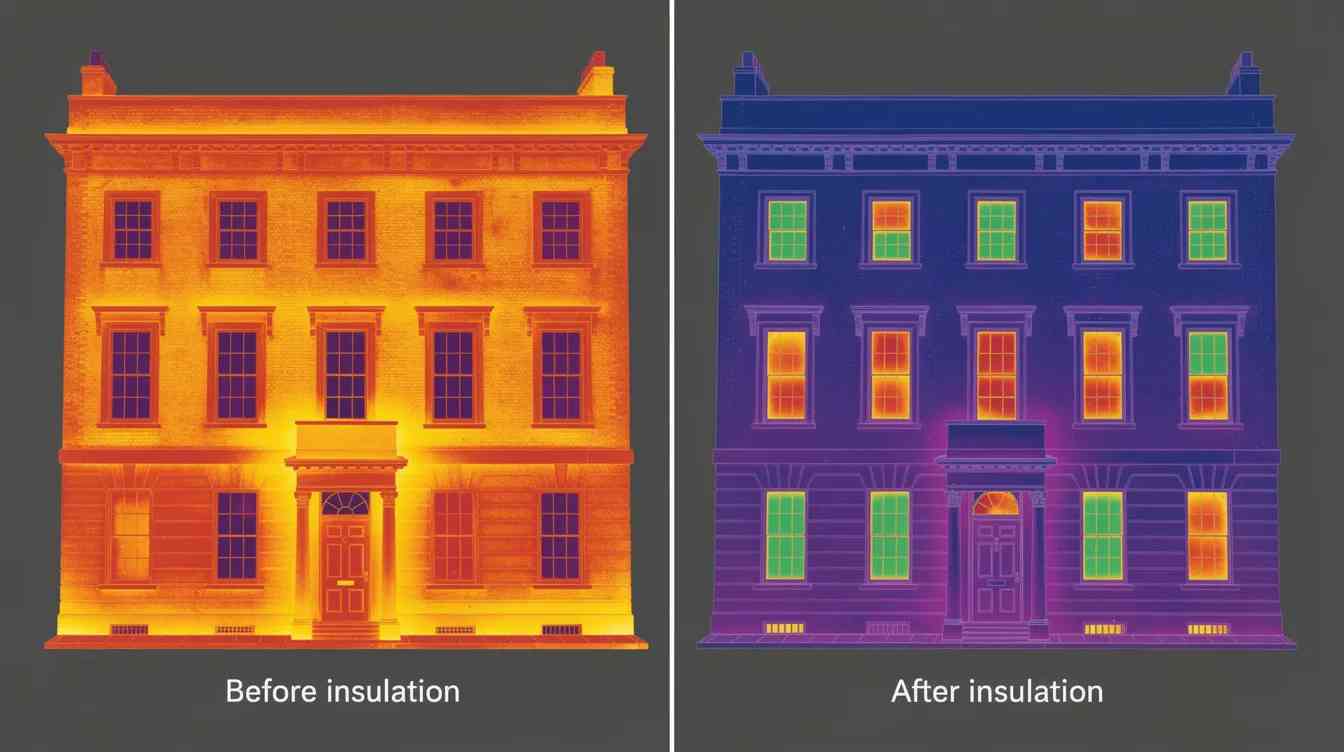
Integrating renewable energy systems in heritage settings is a bit of an art form – balancing the need to reduce energy consumption and environmental impact with the imperative to preserve the character of the old building. As the drive for sustainable architecture and sustainability really takes off , more and more heritage projects are trying out sustainable materials and advanced tech to retrofit existing buildings. And it turns out, it is actually possible to boost energy performance without sacrificing the building’s integrity – the kinds of sustainable architecture examples you come across – like discreetly installing solar panels on rooftops, or using heat pumps instead of those terrible old heating systems – are a great illustration of this.
But every heritage building presents unique challenges. Integrating renewable energy systems requires thinking through all sorts of things – the visual impact on protected facades, the compatibility of new tech with traditional construction methods, the choice of sustainable materials, the routing of services, the reversibility of interventions… it’s a big list. And ultimately , successful projects show that with some careful planning and collaboration, renewable energy can just become a natural part of the story of historic buildings – one that’s worth telling for generations to come.
Solar Panels, Heat Pumps and Historic Fabric
Adding solar panels and heat pumps to historic buildings is an obvious route to reducing energy consumption and carbon emissions – but you have to do it in a way that’s sensitive to the building’s history . The thing with solar panels is that you can put them on less noticeable roof slopes, or integrate them into new extensions – providing renewable energy without overpowering the original fabric. Heat pumps can deliver efficient heating and cooling, while replacing those old fossil fuel boilers and reducing carbon footprint.
To do this all sympathetically, sustainable architects often turn to natural and recycled materials for mounting systems, ductwork, and insulation. This supports the building’s sustainability credentials and also makes the new elements feel like they belong. Cooling systems and ventilation upgrades can be designed to work with the building’s original features – like high ceilings and thick walls – to maximise efficiency and preserve the character.
At the end of the day , it’s all about treating each building as a one-off and coming up with a solution that respects its history while still embracing the benefits of renewable energy. By prioritising sustainable design and carefully selecting materials, it’s possible to achieve big energy savings and environmental benefits without compromising the qualities that make heritage buildings so special.
Navigating Policy and Practical Challenges
Right from the get-go, there are all sorts of policy and practical challenges to get through when integrating renewable energy in heritage settings.
Integrating renewable energy into some of our oldest buildings is a bit of a minefield – policy & practical challenges are all over the place. Getting permission from local authorities to switch to solar or a heat pump, for example, can be a nightmare – they need to weigh up the benefits of saving the planet against the potential damage to the historic fabric of the building. A good sustainable architect will play a crucial role here, producing plans that show how you can marry up renewable energy with a sensitive approach to the building and how its all going to contribute towards making the whole place more sustainable.
Practically, the biggest challenge is getting new tech to play nicely with the old building. This might mean doing detailed surveys, finding bespoke solutions or using special fixings that won’t do permanent damage. You’ll often need to get experts from conservation, engineering and specialist contractors in to sort out tricky technical issues and make sure that the final solution ticks all the boxes for both heritage & sustainability.
Learning from other people who have done this kind of thing is a great way to get some useful guidance. There are loads of case studies and best practice out there that show how you can successfully combine renewable energy with heritage conservation. And if you look at the ones that have done it best, you’ll find a few common threads: being up front about what you’re trying to do, being open and transparent about the benefits and impacts and being willing to change your design if someone points out you’re on the wrong track are all pretty key. By following these principles, sustainable architects and their teams can help old buildings be at the forefront of the transition to renewable energy and set the standard for how to do environmentally friendly in a way that’s actually effective.