Picture yourself strolling through an otherwise ordinary arable field in Wiltshire and suddenly you’d be standing on top of a Bronze Age cemetery that’s been untouched for four thousand years.
Yet there’s no sign, no fence, no information board to tell you that its even there – and let’s be honest, probably shouldn’t even be there at all.
The UK has over 20,000 scheduled monuments just in England with thousands more in Scotland, Wales and Northern Ireland – yet the vast majority of these have no visitor centre, no car park and no sign to let anyone know they exist. And many can’t be visited at all. You’re more likely to find them in farmers’ fields, hidden beneath housing estates, in overgrown woodland or on cliff edges that are far too treacherous to risk approaching.
This article sets out to uncover the often-overlooked second half of Britain’s history – as someone who regularly advises landowners, planners and architects on urban expansion projects, I come across these hidden sites all the time. They shape the decisions that are made about development, require careful management, and yet the vast majority of people in the UK have no idea they even exist – that includes architects in Newcastle working on new developments.
The case I’m making is that this forgotten, inaccessible heritage is every bit as important as Stonehenge or Hadrian’s Wall – the UK really does need a clear plan to make more of these monuments accessible to the public, including developing a coherent access strategy that tackles how we learn about and protect them in the long term. Drawing on data from Historic England, working closely with regional Heritage at Risk officers and highlighting successful examples from across Britain is how I hope to show why so many of these sites have gone relatively unseen.
Heritage tourism is a pretty big deal for the UK economy – millions of visitors flock to historic sites every year and support thousands of jobs across the country – find out just how valuable these sites really are as you read on.
So what are Scheduled Monuments – and how many are off-limits?
Scheduled monuments are the most protected archaeological sites in the land under the Ancient Monuments and Archaeological Areas Act 1979. They’re different from listing buildings which are all about preserving the architecture and history behind a standing structure, or conservation areas which look after the wider area around historic sites. With scheduling though, it’s all about the archaeological value of a site – often that means things that are buried beneath the surface and are invisible to the naked eye.
The range of scheduled monuments is pretty staggering – Bronze Age barrows, Roman forts, medieval castles, abandoned industrial sites, grand old houses and 20th century military installations all get the scheduling treatment. And many of these sites were designed with specific purposes in mind – conservation architects and heritage experts regularly come up against scheduling issues when they’re working on projects near historic buildings, only to discover that the real obstacle is buried archaeology rather than the building itself.
There are an awful lot of them:
- England: 20,196 scheduled monuments (Historic England’s National Heritage List).
- Scotland: over 8,000 ancient monuments.
- Wales: approximately 4,000 scheduled monuments.
- Northern Ireland: around 1,900 state care monuments plus all the others that are scheduled.
There are over 400,000 officially designated heritage assets in England, and of those 95% are just listed buildings that need looking after.
Many of these sites have been designated since as far back as the Ancient Monuments Protection Act in 1882, with more thorough reviews carried out under the 1979 Act that put a lot more emphasis on rarity, how well they’ve survived, diversity and potential for research.
But the thing is, scheduling is all about archaeological significance – not about how accessible a site is to visitors. So what categories of monuments are effectively off-limits? That includes:
- Sites on private farmland where you can’t just wander in (over 70% of cases).
- Monuments buried beneath new developments.
- Places that are just too remote or hazardous – like cliff-edge forts.
- Fragile earthworks where even a single footstep would cause damage.
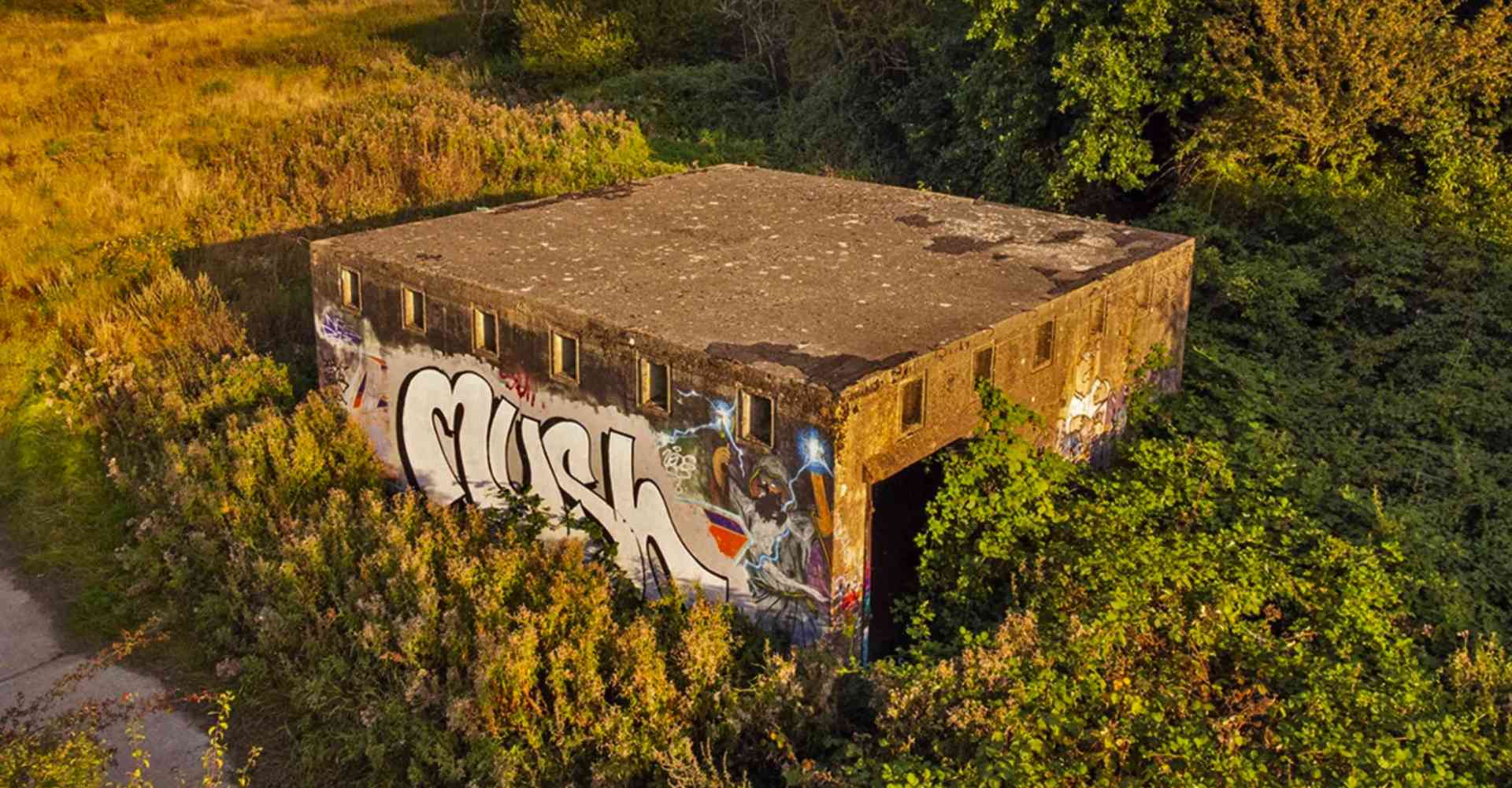
- Bunkers, tanks, and other sealed structures that can only be accessed by experts.
In addition to keeping the actual buildings safe, it’s super important to look after the valuable collections of art and artifacts that are on display – these are what make these heritage sites really valuable.
The UK’s Conservation Area legislation (introduced by the 1967 Civic Amenities Act) protects buildings and the character of whole areas of architectural or historic interest, including old houses and gardens.
Protecting Hidden Heritage: What Role does Historic England Play?
Historic England is the key player in safeguarding the UK’s hidden heritage, especially in places like the south east where history and architecture seem woven right in to the fabric of the landscape. As the national body in charge of the historic environment, Historic England works hard to protect both the big landmarks that everyone knows about, and those sites that are hidden from view – that includes historically significant buildings and monuments that, while invisible, are super important to understanding England’s past.
By working hand-in-glove with local authorities and the community, Historic England ensures that these important sites stay intact for the future. What they do includes doling out expert advice, lending a hand with conservation projects, and keeping an eye on how climate change is affecting vulnerable places. Through all this, they help to protect the UK’s heritage from threats like development and environmental change, so that future generations can explore and learn from these hidden stories. Whether it’s by throwing in the towel and just letting these places be, or by empowering others to take action, Historic England’s commitment to the historic environment is a vital part of the nation’s ongoing journey to preserve and celebrate its rich cultural legacy.
Types of Hidden Scheduled Monuments in Ordinary Landscapes
Loads of scheduled monuments are pretty well invisible: a slight bump in a field, an irregular ditch in a wood, or a cropmark that’s only visible from the air. Some hidden monuments, such as really fancy historic houses, are significant for their artistic design and craftsmanship – it’s a reflection of just how important the arts are in heritage architecture. Even seasoned architects may overlook them when they’re out on site visits, mistaking a Bronze Age burial mound for a natural hill or a medieval moat for a drainage ditch.
Prehistoric Examples
- There are over 5,000 Bronze Age round barrows surviving in England, often looking like just a low grassy mound in an arable field
- The Desborough group in Northamptonshire was scheduled in the 1950s, but’s been ploughed almost flat – and yet it still gets protected for the burial evidence it contains
- Neolithic long barrows that run parallel to famous sites like West Kennet also exist on private land – but unfortunately they don’t have any public access
Roman and Early Medieval
- Buried Roman settlements that can only be detected through geophysics – like the civilian vicus at Vindolanda in Northumberland, which shows links to the Roman occupation
- Anglo-Saxon cemeteries that are right under modern housing, such as Butler’s Field at Lechlade in Gloucestershire, which were excavated back in the 80s and still have scheduled remnants left
Medieval and Post-Medieval
- There are over 6,000 moated sites across the country – with 75% of them scheduled – and many of them are hidden away in small groups of trees on private estates. Some of them even have links to the Tudor period, through royal visits or secret Catholic activities
- Deserted medieval villages like Culverthorpe in Lincolnshire, where you can still see the faint outlines of old houses and hollow ways that are just sitting in permanent pasture
- Northern bastles and peel towers that are now just earthworks in Northumberland
Arts and Crafts Houses
These are historic houses that combine traditional craftsmanship with modern living features – they really show off the innovation that went into design and the way that the arts and crafts movement got integrated with architecture.
Industrial and Defence Heritage
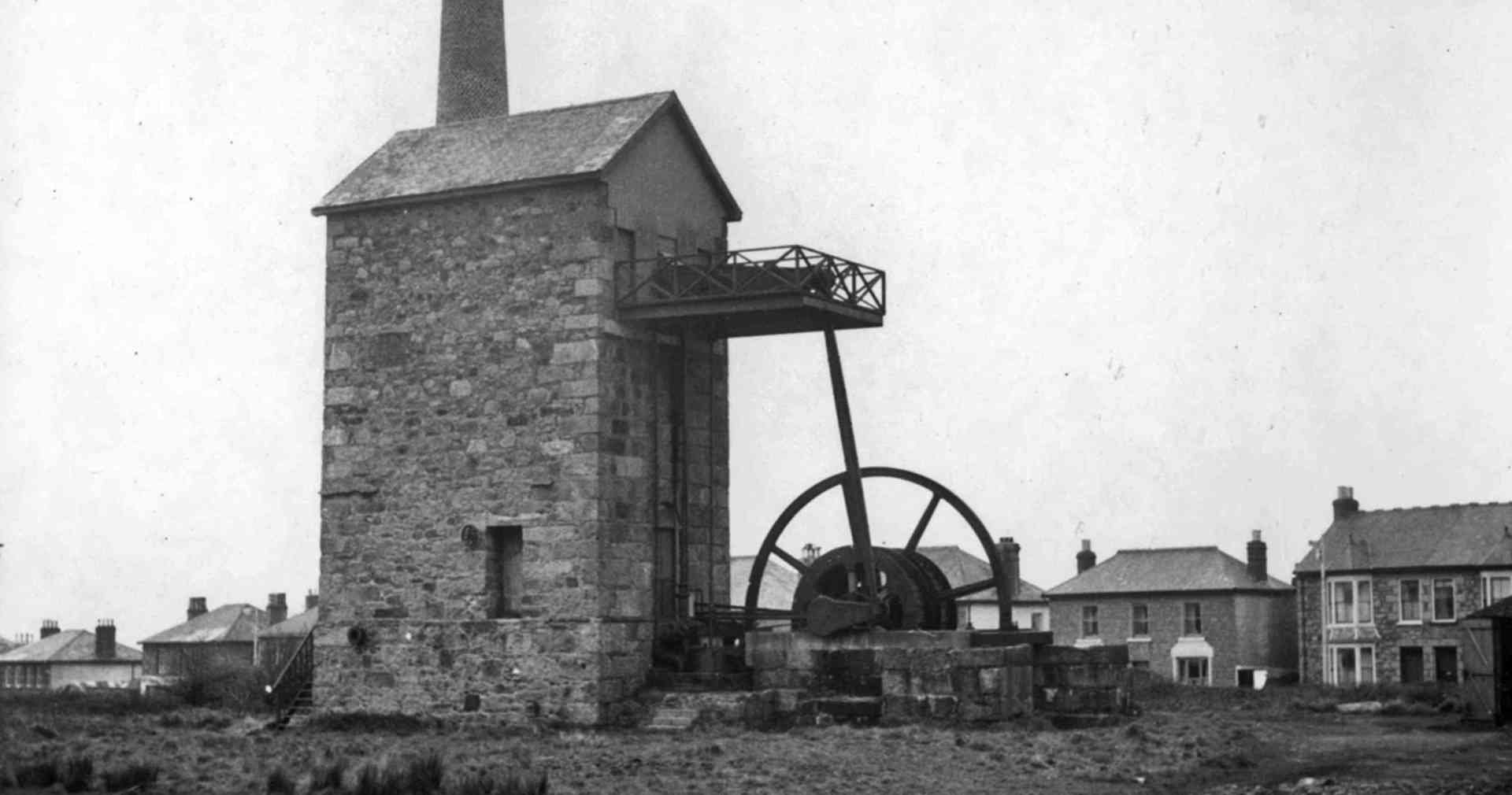
- 18th and 19th-century ironworks in overgrown valleys, like the scheduled blast furnace remains at Blists Hill in Shropshire
- First and Second World War coastal batteries that are fenced off for safety reasons
- Cold War Royal Observer Corps bunkers, such as the sealed post at Anmer in Norfolk – and these are all nestled inside private grounds
Innovation is right there in the design and construction of certain scheduled monuments, where people have found creative ways to balance heritage preservation with contemporary needs. And it shows in the way that heritage architecture spans all these different styles, from Neolithic sites and Roman ruins right through to medieval castles and modern interpretations – it’s a real reflection of the way that these sites are all connected across different historical periods.
Why So Many Monuments Are Closed: Law, Land and Liability
The 1979 Act is what controls what can be done on scheduled monuments – and it’s all about works, like digging or demolition or alteration, not access. You need scheduled monument consent from Historic England, Cadw, Historic Environment Scotland, or the Department for Communities in Northern Ireland to do anything, but there’s no corresponding requirement on landowners to let the public in.
Legal Context
The way the system is set up prioritises preservation of the archaeology, over and above public access. National heritage agencies are the ones who designate sites; the Secretary of State gives the nod or says no to consents. And it all assumes that the sites are going to be preserved in situ – not visited. There are usually some legal agreements and physical safety measures in place to enhance protection – and these are all really important for ensuring the safety and preservation of monuments.
Landownership Realities
- A whopping 90% of scheduled monuments are on private land.
- Most are nestled within working farms, commercial forestry or shooting estates.
- The Occupiers’ Liability Act 1957 creates some genuine concerns about claims for things like slips on uneven ground.
- Insurance premiums can go up by as much as 20-50% when public liability extends to archaeological sites.
One of the biggest problems with caring for historic buildings is damage caused by rainwater – and that can lead to erosion and structural failures if not properly managed. Regular maintenance and preventative measures, like removing plants that are going to cause harm and protecting masonry, are essential to prevent serious damage to historic buildings.
Health and Safety Concerns
- Steep earthworks at hillforts make fall risks a real problem.
- Unstable industrial remains like the Worsley Mines complex near Manchester include 19th-century tunnels that are prone to collapse.
- Unexploded ordnance at former military sites such as Orford Ness in Suffolk means that the Ministry of Defence has to put in place restrictions.
- Fragile cave archaeology sites where uncontrolled access could threaten both people and deposits.
Privacy, Security and Vandalism
Metal detecting prosecutions have gone up by around 15% every year, according to data from the Portable Antiquities Scheme. It’s not just monuments in isolated areas that are being hit, previously accessible sites have also suffered from fire damage, fly-tipping and unauthorised excavations. The scheduled moat at Sawley in Derbyshire was actually closed after being damaged in a fire linked to trespass.
A team of experts made up of heritage architects, archaeologists, planners, and heritage architects, working on development projects, often advise on safe, lawful levels of access and interpretation when monuments come into play within wider schemes. You need specialist skills and a lot of careful planning to tackle some of the conservation and safety projects undertaken by this team. In Newcastle’s urban expansion zones, for instance, geophysical surveys often turn up Roman camps right beneath greenfield edges, requiring careful mapping to ensure that they’re not damaged.
 The Impact of Human Activity on Inaccessible Sites
The impact of human activity on inaccessible heritage sites is a growing concern for conservation specialists all over the UK. Climate change, with its unpredictable weather patterns and rising temperatures, is a major threat to the integrity of these sites, making them erode away and do long-term damage that can be really difficult to put right. And it’s not just climate change, other activities such as construction, refurbishment, and even the way people use the land nearby can disrupt fragile archaeological remains, often without anyone realising just how much harm is being done until it’s too late.
So to make sure that these vital parts of the UK’s heritage are protected for years to come, it’s essential to monitor and manage the effects of human activity. Historic England provides ongoing guidance and support to landowners, local authorities, and conservation professionals, helping them to spot the risks and put in place the best practices for site maintenance.
By regularly checking on the condition of inaccessible sites and giving advice on construction and refurbishment projects, Historic England makes sure that the integrity of these important places is maintained. And by doing so, they ensure that despite the challenges posed by human activity and climate change, the UK’s hidden heritage will continue to be preserved for future generations to learn from and appreciate.
Monitoring and Maintaining Sites that the Public Rarely Sees
Here’s the paradox: some of the most carefully monitored sites in the scheduling system are the ones that the public would struggle to spot in the landscape. They demand a significant amount of specialist input and public funding, despite being invisible to most people.
Routine Condition Assessment
Every 3-5 years, Historic England conducts standardised condition surveys across all 20,000+ English monuments, recording things like:
- Erosion from water, wind, and ploughing (which is causing a lot of damage).
- Burrowing animals causing problems by undermining earthworks.
- Vegetation overgrowth obscuring and damaging features.
- Waterlogging affecting preservation conditions.
- Unauthorised works or illicit metal detecting.
Factors such as water getting in and plants growing are actually making the situation worse, and accelerating damage to both the structure and appearance of these monuments.
Heritage at Risk Registers
In 2023, 1,184 scheduled monuments appeared on England’s Heritage at Risk register – that’s 5.9% of the total. These are graded from “extensive significant problems” to “general neglect”, with rural farmland sites overrepresented at 40% due to intensive agriculture. Notably, many of the at-risk sites are ones that don’t have paths, signs or interpretation.
Practical Management Tasks
- Negotiating with farmers to change the way they plough their fields or convert ridge-top arable back to pasture.
- Doing scrub clearance on earthworks by volunteers at sites like Wharram Percy’s outlying features.
- Fencing over 200 sites every year to stop livestock from getting to fragile mounds and preserve the integrity of the monuments.
- Putting in subtle ground markers so contractors can avoid buried archaeology.
- Repairing damaged stonework and earthworks, including repointing, stone repair, and using suitable materials to fill open joints, cracks or damaged areas.
Repair and maintenance of historic buildings actually contributes nearly £10 billion to the construction sector every year.
Technology for Invisible Surveillance
- LiDAR has mapped out about 80% of English monuments to track micro-topography changes.
- Drone surveys are watching erosion at cliff sites like the scheduled Iron Age fort at Ballachulish in Scotland.
- GIS is integrating satellite cropmark detection, identifying about 300 new threats every year.
- Aerial photography programmes are monitoring vegetation changes that indicate buried disturbance.
Collaboration with Other Professionals
Conservation architects working on nearby historic buildings often provide condition information back to archaeologists. Environmental land management schemes support benign grazing or reversion that protects buried remains – the scheduled group on Ports Down in Hampshire was actually removed from the Heritage at Risk register in 2022 thanks to Countryside Stewardship funding converting arable land back to pasture.
Case Studies: Significant Scheduled Monuments that You Can’t Freely Visit
While many scheduled monuments do welcome visitors, this section highlights nationally important sites that remain largely inaccessible, and illustrates the varied reasons why they’re restricted.
Prehistoric Barrow Cemetery, Shrewton, Wiltshire
This group of 26 Bronze Age burial mounds was scheduled for protection way back in 1882. It lies within the rolling arable land of Wiltshire, a place where farming has been a way of life for centuries. The site is of national significance because of its Beaker period burials – but visitors are lucky if they manage a glimpse of it, since it has no public right of way. Instead, monitoring relies on carrying out LiDAR analysis of the cropmarks on the land every year. It’s also thanks to a stewardship agreement that cultivation is limited to just 20cms deep, so the mounds remain remarkably stable despite being ploughed over for generations.
Roman Fort, Hambledon Hill, Dorset
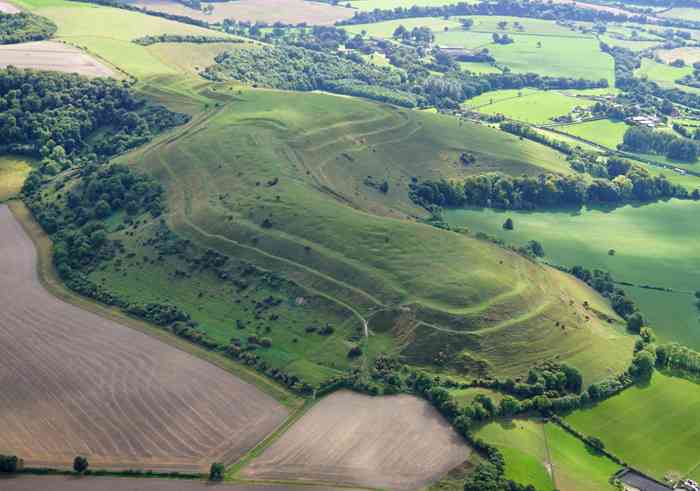
Even though its earthworks are pretty partial, the Roman Fort on Hambledon Hill was scheduled for protection way back in 1925. Its significance lies in what it tells us about the Antonine occupation – but to catch a glimpse of it, you have to be willing to walk up a nearby hill and take a peek from a distance. Geophysical surveys that took place in the 2020s have confirmed that there are some pretty extensive ditches hidden beneath the turf – but only by looking at the site from a distance can you see them.
Deserted Medieval Village, Ham Mill, Gloucestershire
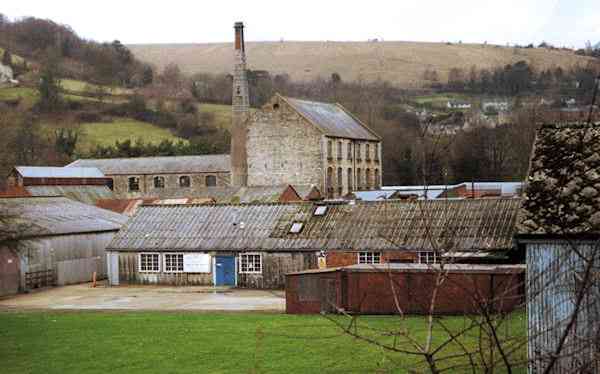
Scheduled for protection way back in 1978, this deserted Medieval village is a treasure trove of history. It’s been lying beneath the grass of a private farm with no access to the general public ever since – until, that is, the farm implemented a managed grazing scheme which stabilised the earthworks and helped take this village off the Heritage at Risk register in 2019.
WWII Battery, Seaton Point, Northumberland
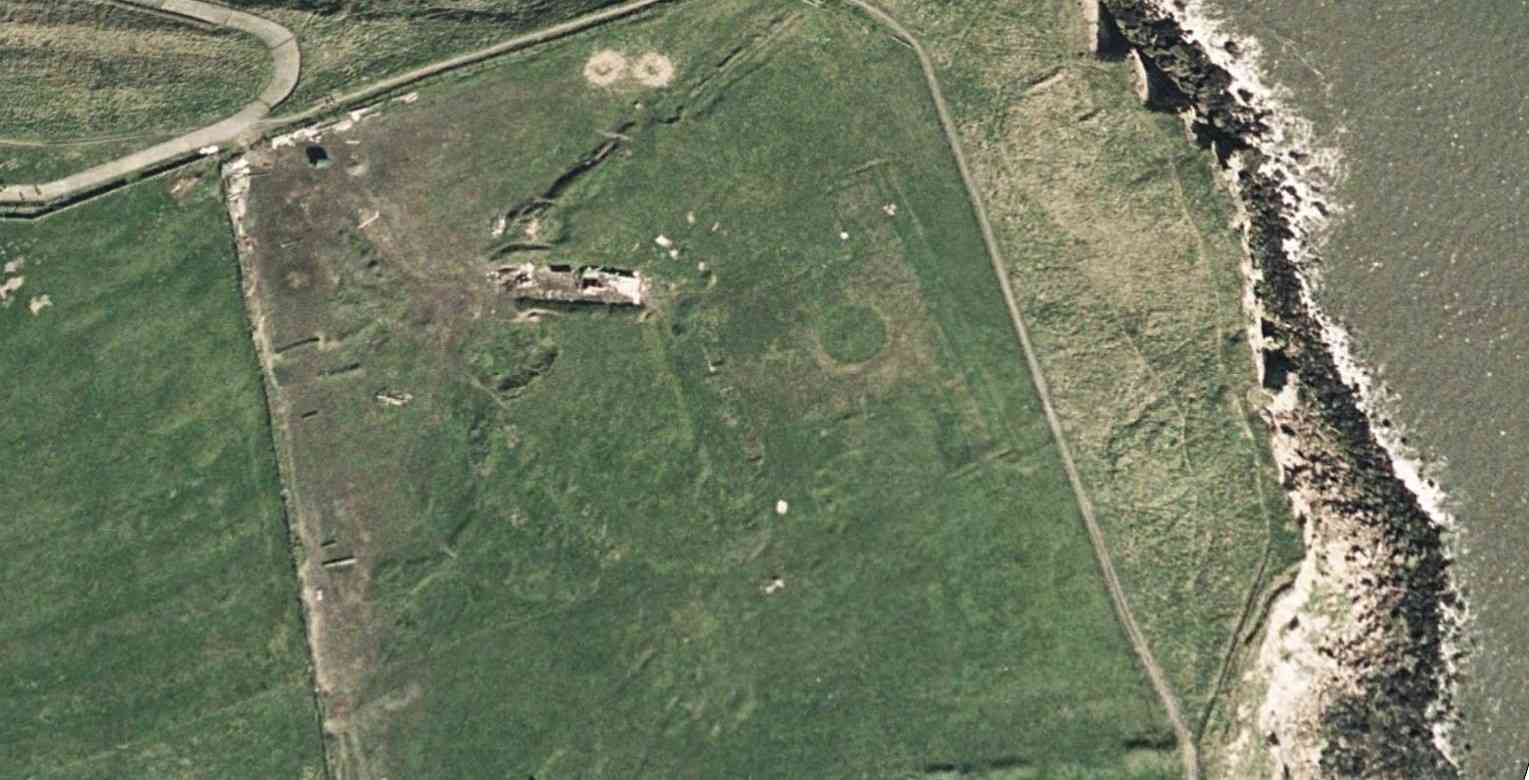
Scheduled for protection in 2002, this radar site is perched precariously on a clifftop. Because of erosion risks and the presence of potential unexploded ordnance, access is strictly forbidden. Monitoring takes place via drone, because it’s the only way to get a look at it safely.
Cold War Bunker, Kelvedon Hatch, Essex
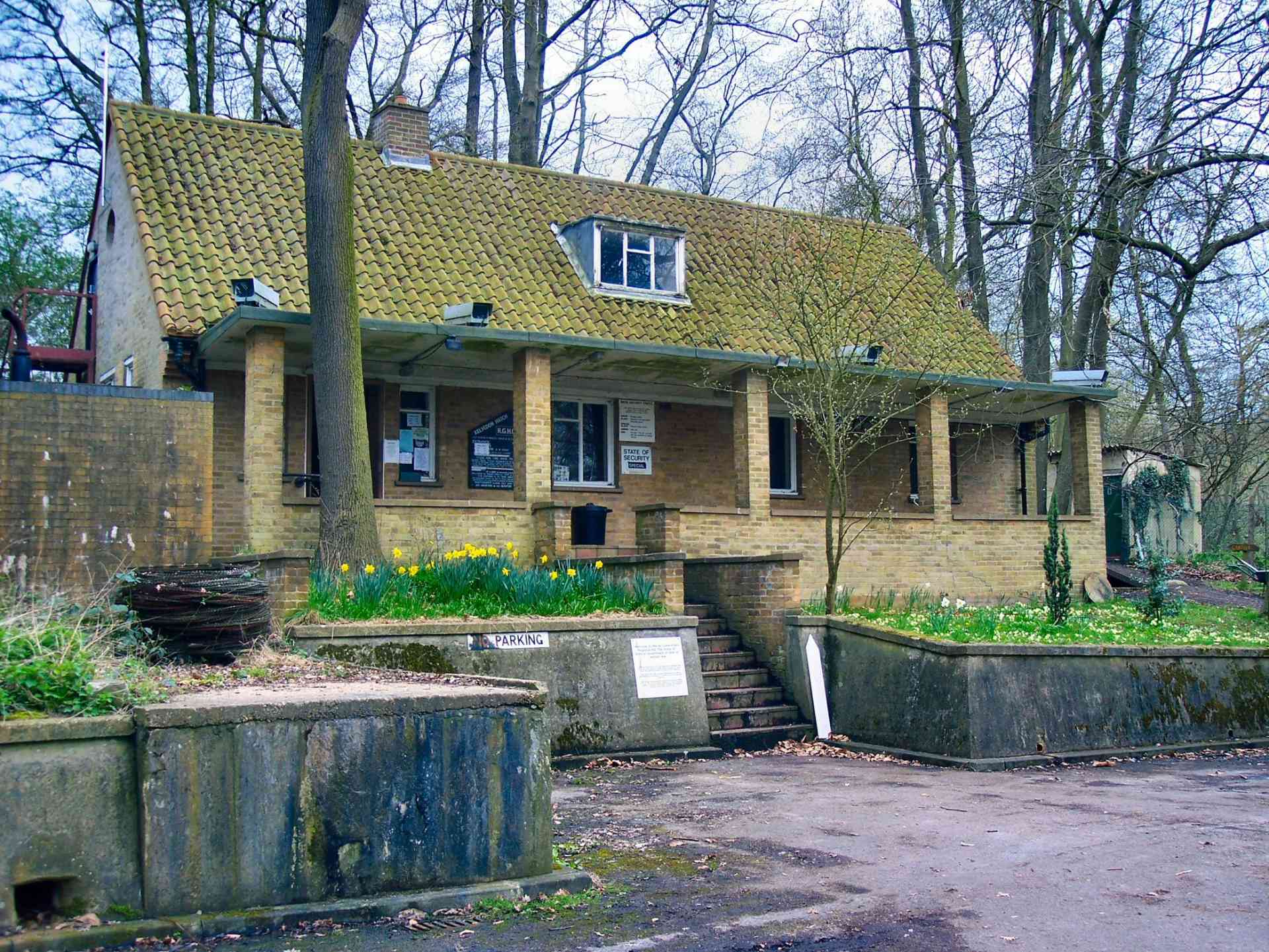
And then there’s this fully sealed, fully intact Cold War bunker, scheduled for protection in 2006. It’s a real blast from the past, with its 50s technology still working as if nothing has changed. Occasional public tours take place – but routine access is simply out of the question.
Interpreting the Unseen: How Do We Tell Stories About Sites We Can’t Visit?
Heritage bodies are getting the pressure on to demonstrate social value and public engagement. But there’s a big problem – a large chunk of the heritage estate is off-limits to visitors. So, how do we go about telling the stories of the places people can’t get to?
Off-Site Interpretation
- We take the finds and important collections from excavations at the inaccessible sites and display them in museums, so that the art and artifacts are protected and can be enjoyed by the public.
- We do digital reconstructions and 3D models – like Historic England’s 3D Past app which brings 50+ buried Roman forts to life.
- We put up mobile-friendly web pages linked to Historic England or local authority Historic Environment Record databases.
Landscape-Scale Storytelling
- We put up interpretive panels at accessible vantage points, explaining the unseen monuments nearby.
- We create heritage trails that invite people to read the landscape even if the individual sites themselves are on private land.
- We integrate with existing visitor attractions to reference the surrounding archaeology.
Community Projects
Creative initiatives inspired by the hidden heritage of the UK aren’t so different from projects like everyday heritage grants – eg:
- Schools adopting a “secret” monument and creating arts initiatives, like art or drama inspired by the hidden heritage.
- Local history societies producing VR models of the buried sites.
- Community archaeology projects that share their research without needing site access.
Role of Design Professionals
UK heritage architects and exhibition designers can all help put complex archaeological narratives across in visitor centres, public realm schemes or online content. These projects usually involve a team of specialists working together to develop the interpretive content and make sure that both the structures and the artifacts are treated with care. The key is referencing the nearby scheduled sites without encouraging people to trespass – so, for example, an interpretive pavilion at the edge of the site would work a treat, as long as it’s located well away from the monument itself.
Towards an “Open Monuments” Strategy for the UK
An “open monuments” strategy doesn’t mean giving blanket access to every single site. It means developing a national framework to make the most of safe, sustainable awareness and engagement with scheduled monuments – even if people can’t reach them in person. After all, access to historic places is linked to improved mental health and a stronger sense of belonging. What’s more, our heritage architecture serves as an anchor of collective identity and is closely tied in with national pride.
Proposed Components
- A systematic review of access potential across the scheduled estate, with a target of assessing 10% of sites per year.
- Pinpointing candidate sites for the occasional open day, modelled on English Heritage’s own managed properties.
- Developing national guidance for negotiated access agreements with landowners.
- Integrating monuments into wider countryside access and green infrastructure planning.
Recommendations for Heritage Agencies and Government
- More funding for management agreements with farmers (experts reckon an additional £20m per annum in Heritage at Risk funding would be a good start).
- Incentives through environmental land management schemes to encourage landowners to open up their sites for access and interpretation.
- Aligning monuments with climate change, biodiversity and wellbeing policies – eg NHS-prescribed heritage walks were trialled in 2024.
- Challenging designers and investors to come up with innovative strategies for public engagement and interpretation of UK heritage architecture.
Digital and Mapping Elements
A publicly-accessible, map-based portal building on existing scheduling records should clearly indicate;
- Where the access is possible, where it’s only visible from a rights of way, and where no public access is permitted – along with a clear explanation of why that is.
- The connections between digital resources and physical sites – helping users to really understand the historical links and why these places matter.
Scotland’s PastMap is a fantastic example of how we can do this.
Getting Professionals On Board
Heritage architects, planners, archaeologists and conservation architects are the ones who need to drive this agenda. And new development, visitor facilities or infrastructure could be the key to opening up some of these hidden sites to controlled access – sites that have been shrouded in secrecy for decades.
Education and Awareness: Unearthing the Hidden Heritage of the UK
Education and awareness are key to unearthing the hidden heritage of the UK. Historic England’s website and publications are a treasure trove of information on historic buildings, heritage architecture and the historic environment. And by supporting educational initiatives and community engagement, Historic England is making it easier for people to appreciate the importance of conservation – whether you are a resident, a visitor or a specialist.
With the help of charity organisations, community groups and heritage specialists, Historic England is able to deliver expert guidance and support to clients undertaking restoration and maintenance of historic sites. And their approach makes sure that conservation work is sensitive to the original character of buildings and landscapes, while also making these stories accessible to a wider audience.
By getting people involved in the journey of discovery – whether that’s through digital resources, community events or hands-on projects, Historic England is helping to uncover the UK’s hidden heritage and ensure its preservation for the future. This is all about making it possible for people to view, explore and learn from the nation’s rich history – filling in the gaps in our collective understanding and inspiring people to care for these important spaces.
Putting it into Practice – for Landowners, Planners and Design Teams
While this article is mainly focused on policy and public understanding, there are practical steps that can be taken now to improve stewardship and openness.
For Landowners and Farmers
- Get in touch with Historic England or local authority archaeologists for free management advice (queries are up 25% this year – which is a reflection of how much interest there is in this)
- Explore stewardship or management agreement options through environmental land management schemes
- Consider running guided visits in partnership with local archaeological societies from time to time
- Make sure staff and contractors know where the scheduled sites are and what their status is
- Recognise that it’s a team effort – landowners, local communities and heritage organizations are all contributing to the ongoing stewardship and protection of scheduled monuments
For Planners and Local Authorities
- Get scheduled monuments into local plans and green infrastructure strategies
- Include monuments in heritage at risk action plans
- Use Section 106 or similar mechanisms to fund interpretation or controlled access improvements linked to development
- Acknowledge the role of planners and local authorities in safeguarding uk heritage architecture
For Heritage Architects and Design Teams
- Get in touch with archaeological constraints right from the beginning through desk-based assessments
- Collaborate with heritage consultants from the start
- Look for creative design responses that bring nearby hidden heritage to light: public realm artworks, viewpoint markers or interpretive elements in new buildings
- Think about how development can contribute to interpretation without enabling damaging access
- Make sure that any conservation or interpretation projects are carefully planned and executed by professionals with the right specialized skills in uk heritage architecture
Valuing the Heritage We Can’t Walk to
Britain’s scheduled monuments are the backbone of our nation’s deep history. The ones hidden in fields, woods and industrial backlands are just as significant as the ones you see on the tourist brochures. A Bronze Age barrow under a Wiltshire cornfield is just as important as Stonehenge – and demands the same level of care.
Invisibility shouldn’t mean neglect. We need to use public funding, professional expertise and community imagination to help people understand and care for these places, even if we can’t visit them freely. The case for a national “open monuments” strategy is compelling: blending physical access where that’s possible, digital interpretation when it’s not, and responsible land management throughout.
As a heritage consultant I see every day the work of archaeologists, land managers, conservation architects and volunteers who protect these unseen places. The scheduling system may not be broken – but it could do a lot more to bring invisible monuments back into the nation’s shared story. Hidden heritage is a big part of that story – connecting us to the past and reminding us of the value in what lies beneath the surface. Whether you are a professional, a student or someone who just cares about Britain’s past, think about how you might contribute to that ongoing journey of discovery and protection.