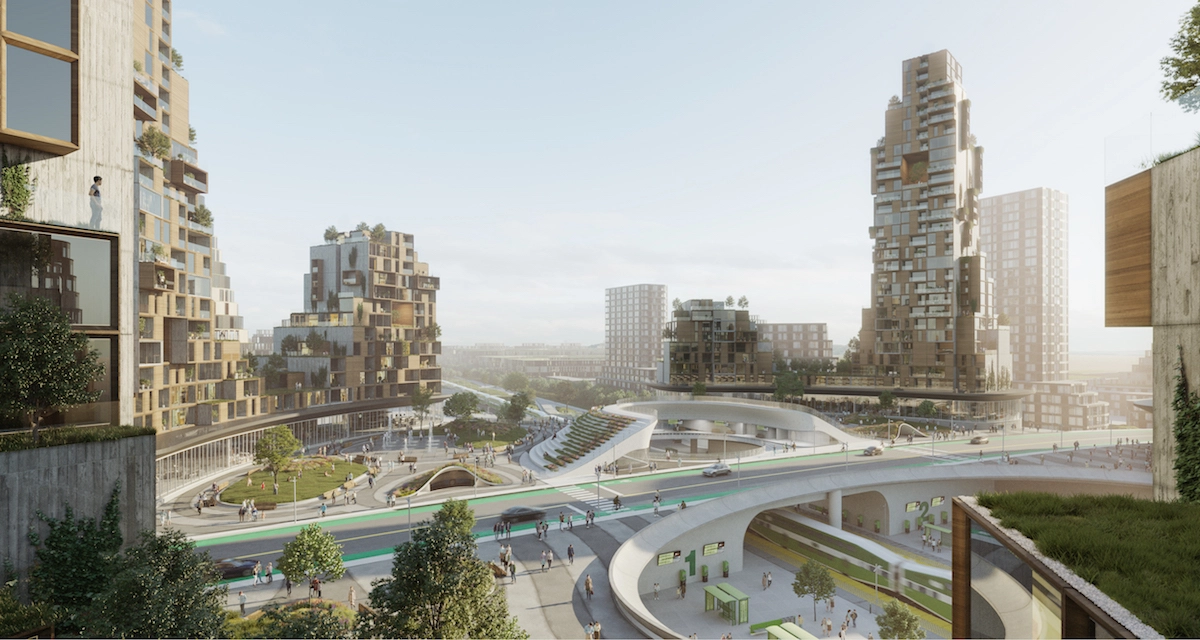
Pioneers of a Green Future
Few themes have stirred as much excitement and inspiration in recent years as sustainable architecture. It’s not just about buildings that don’t harm the environment; it’s about structures that actively contribute to the planet’s health. Let’s take a moment to appreciate some of these iconic sustainable buildings, each a testimony to human ingenuity and a beacon of hope for our environmental future.
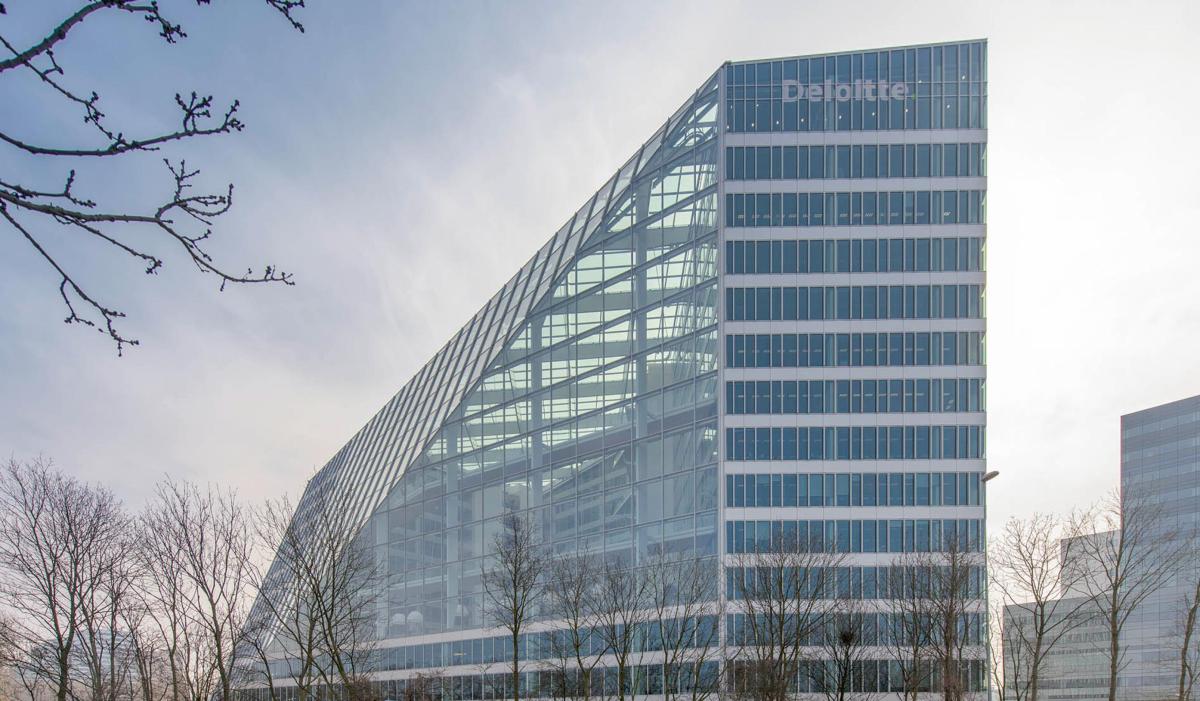
The Edge, Amsterdam
Picture a building so smart it knows your coffee preferences! That’s The Edge in Amsterdam. It’s not just a building; it’s an organism, breathing and evolving with its inhabitants. Boasting a staggering 98.36% sustainability score, The Edge is more than an office space; it’s a glimpse into the future. Its use of natural light, energy-efficient systems, and a rooftop adorned with solar panels sets a new benchmark in sustainable design. The Edge isn’t just a building; it’s a challenge to architects worldwide to think beyond the norms of construction.
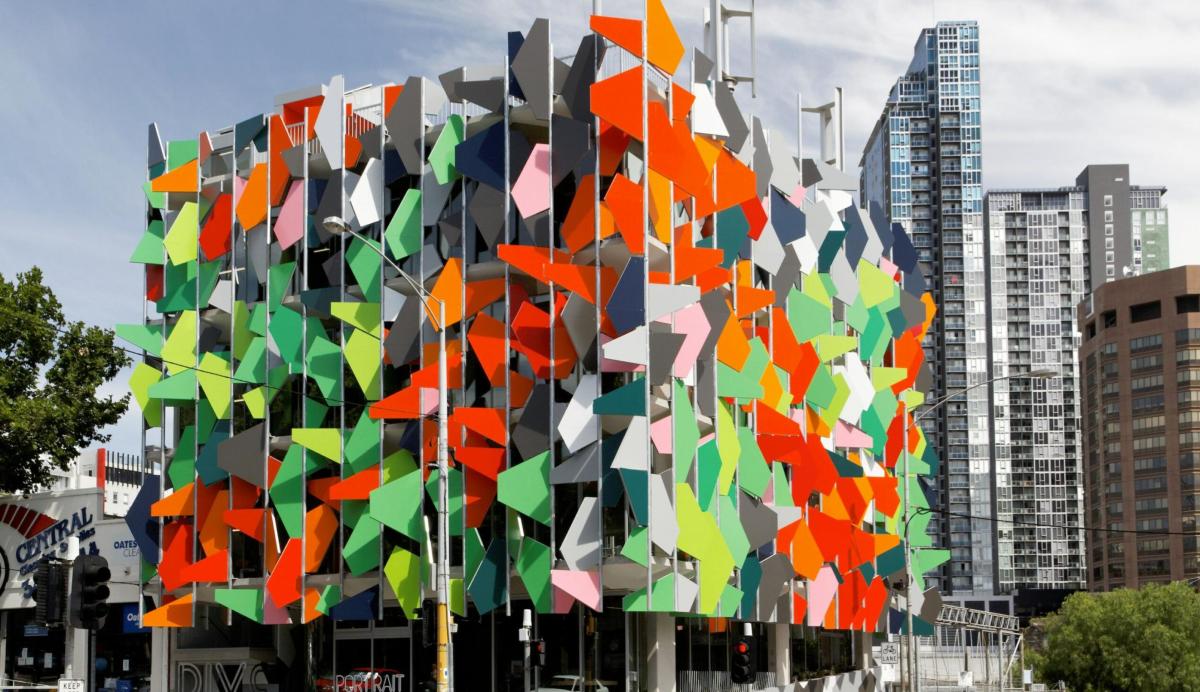
Pixel Building, Melbourne
Down under in Melbourne sits the Pixel Building, a kaleidoscope of color and innovation. It’s Australia’s first carbon-neutral office building, and let me tell you, it’s as impressive as it sounds. With its façade of colourful, pixelated panels, this building is a visual feast. But it’s not just about aesthetics; every inch of Pixel is designed for sustainability. Its water collection systems, solar panels, and wind turbines make it a self-sufficient marvel. Pixel is a testament to the fact that sustainability can be bold and beautiful.
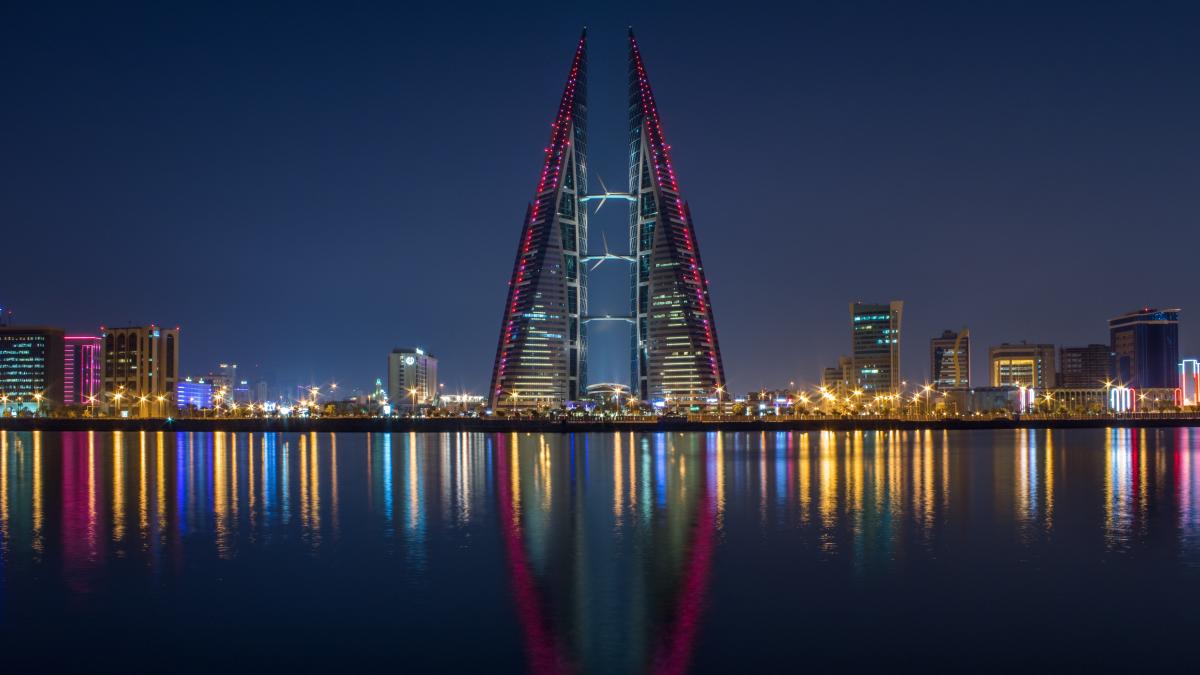
Bahrain World Trade Center, Manama
Now, let’s talk about the Bahrain World Trade Center in Manama. This isn’t just a building; it’s a statement. With its twin towers crowned by three massive wind turbines, it looks like something straight out of a sci-fi movie. But it’s real, and it’s spectacular. These turbines, a first for skyscrapers, harness the power of the Gulf winds, symbolising a marriage between traditional architecture and modern sustainability. It’s a bold reminder that our skyscrapers can be more than just glass giants; they can be powerhouses of green energy.

Bullitt Center, Seattle
In Seattle, the Bullitt Center has been dubbed the “greenest commercial building” in the world, and rightly so. It’s like Mother Nature herself took part in the design process. The building generates its own electricity, captures and uses rainwater, and even processes its own waste. Walking through the Bullitt Center is a lesson in sustainable living. It’s not just a building; it’s a living, breathing ecosystem that challenges our notions of what a building should be.
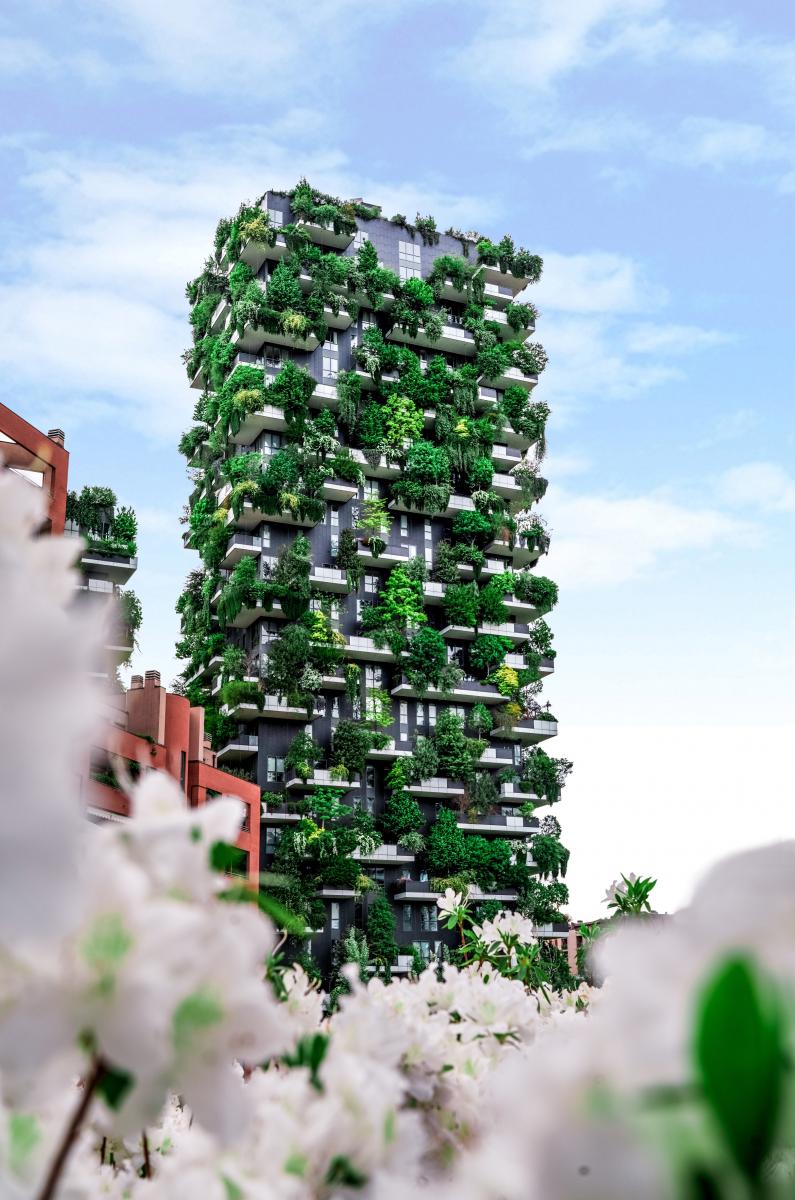
Bosco Verticale, Milan
Bosco Verticale in Milan, also known as the “Vertical Forest,” redefines urban living. These twin residential towers are not just buildings; they’re vertical ecosystems, teeming with life. Each balcony is draped with lush greenery, creating a living façade that purifies the air, promotes biodiversity, and creates a microclimate. This concept is a bold statement in urban design, proving that even in the concrete jungle, nature can thrive. It’s a poetic fusion of the urban and the natural, a verdant oasis towering over Milan’s skyline.
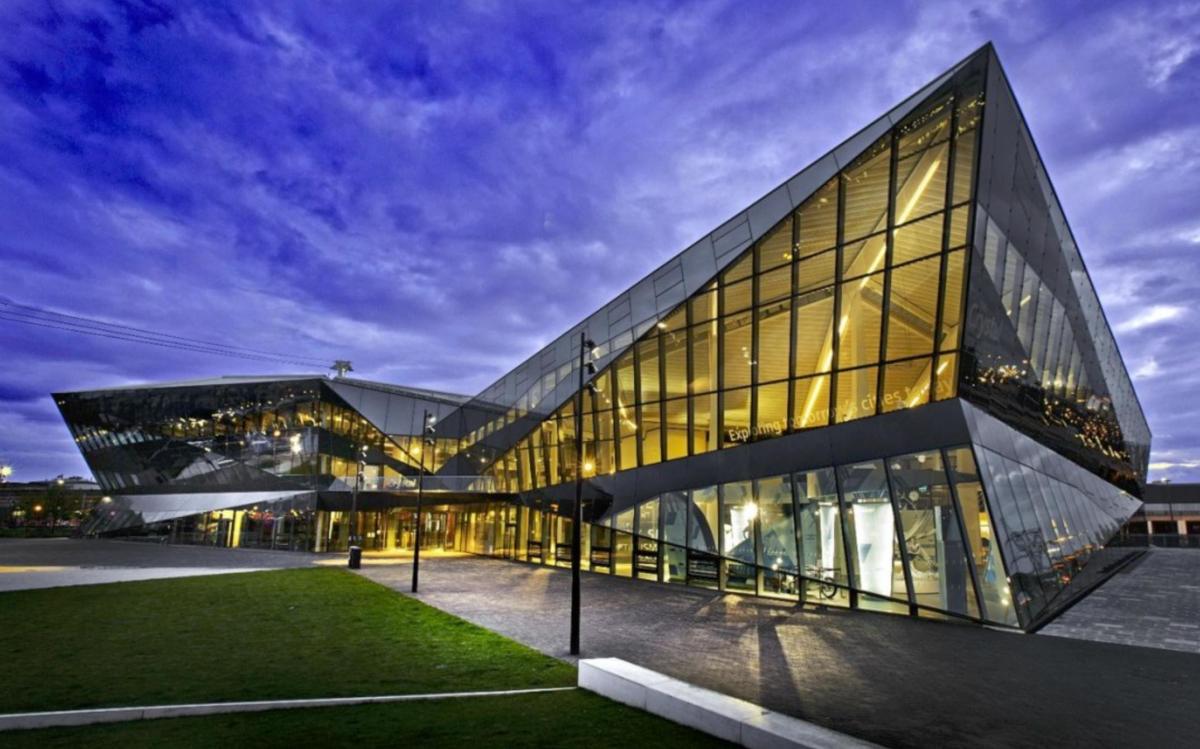
The Crystal, London
Nestled in the heart of London, The Crystal stands as a shining example of sustainable design. It’s a building that doesn’t just minimise harm to the environment; it actively improves it. With a zero-carbon footprint and powered entirely by renewable energy sources, The Crystal is a beacon of sustainability. Its interactive exhibits on urban sustainability aren’t just for show; they’re a reflection of the building’s own principles. This is not just an architectural marvel; it’s a learning centre that educates and inspires.
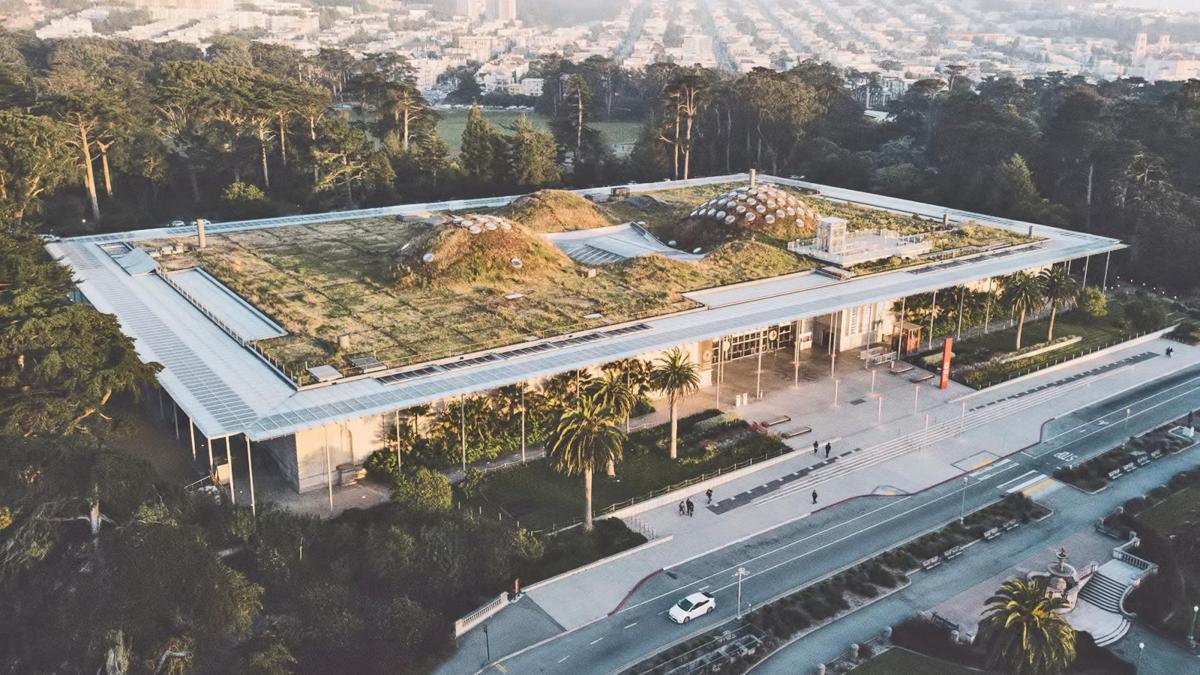
California Academy of Sciences, San Francisco
The California Academy of Sciences in San Francisco is a masterpiece of sustainable architecture. With a living roof that’s home to local flora and fauna, this building blurs the line between the natural and the built environment. It’s a powerful example of how buildings can coexist with their natural surroundings. The Academy’s use of natural lighting and ventilation, rainwater harvesting, and energy-efficient systems sets a new standard for museum design. It’s a building that doesn’t just house exhibits; it is an exhibit of sustainability in itself.
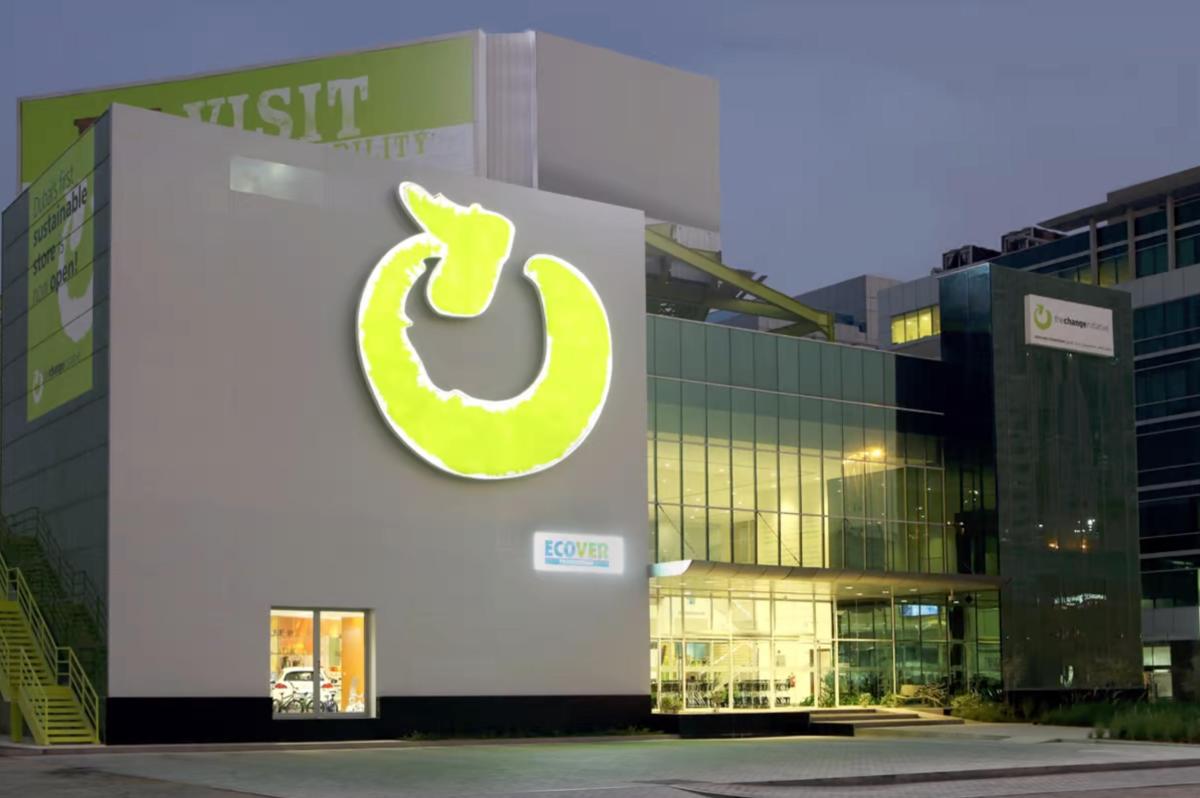
The Change Initiative Building, Dubai
In a city known for its lavish constructions, The Change Initiative Building in Dubai stands out for its commitment to sustainability. It’s a commercial building that has achieved the highest LEED Platinum score ever awarded. In a region where resources are precious, this building is a testament to the power of sustainable design. Its intelligent use of energy and water conservation techniques demonstrates that sustainability is not just a concept for the future; it’s a practical, achievable goal in the present.
Each of these buildings tells a unique story of sustainability. They’re not just structures of steel and glass; they’re manifestations of the new consciousness of sustainable architects. As we grapple with climate change and environmental degradation, these buildings stand as beacons of hope. They’re proof that our urban landscapes can harmonise with nature, that our buildings can be as alive as the ecosystems they inhabit. As an avid follower of architectural trends, I can’t help but feel optimistic about the future of sustainable architecture. These buildings aren’t just part of the skyline; they’re part of a movement, a shift towards a greener, more sustainable future. And that, in my opinion, is something truly worth building towards.