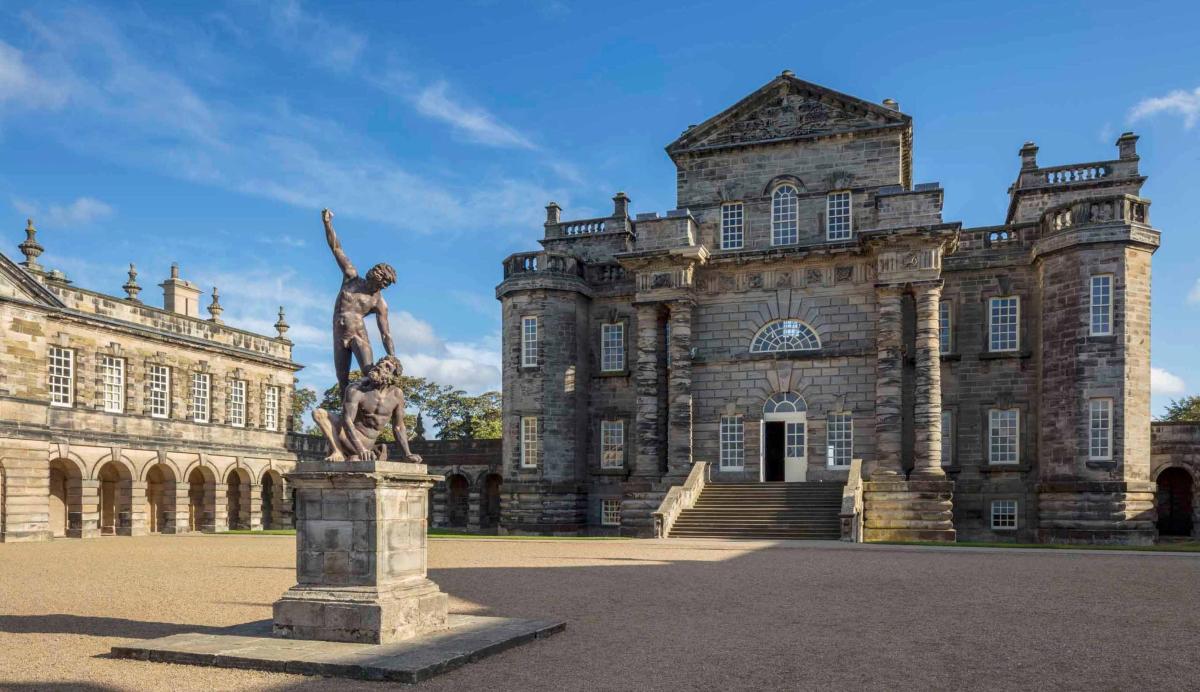
Because of the people who have lived there and the stories they have told, the Northeast of England has developed its own unique character throughout the centuries and is now an integral part of our national identity.
The Place Agenda is driven by the individuals who make up the North’s many and distinct neighborhoods. Six World Heritage Sites, seven Areas of Outstanding Natural Beauty, five National Parks and 4 UNESCO Creative Cities may all be found in Northern England, offering the region a wealth of nationally and internationally acclaimed cultural, historic, and natural resources.
When it comes to accepting national and international initiatives like Global Britain and the UK Growth Strategy, the North has the upper hand. The region’s abundance of green space and peatlands, which together represent enormous natural capital, is its key contribution to sustainability, Clean Growth, and Net Zero goals. Its cultural influence stems from its diverse population, abundance of artistic, musical, and athletic talent, and unique character. The Leveling Up paradigm recognizes “Pride in Place” as crucial because it is ingrained in the heritage of many communities.
Location-aware technology
This is the era of location-aware technology. The Place Agenda has been elevated to the top of the NP11’s priority list thanks to the efforts of the Convention of the North in 2019. Because growth and productivity are merely means to an end, this program does not prioritize them over other considerations that give life meaning. A sobering reminder of the importance of location in giving people a feeling of purpose and belonging, as well as building communal connection and cohesion, was provided by the recent COVID-19 pandemic and attendant lockdowns.
Existing inequalities in people’s access to aesthetic experiences have been highlighted and, in some circumstances, worsened by the pandemic. Because of their interdependence, the tourism, travel, and retail industries have all been hit hard. Simultaneously, there has been a rise in localism, which has boosted creativity across all economic sectors and enthusiasm for outdoor activities, as well as bolstered cultural activity and revitalized downtown neighborhoods.
The method can only work with widespread participation. Without a comprehensive program of stakeholder involvement, the Policy would amount to nothing more than words on paper; to that end, NP11 has assembled a strategic alliance of key nature and cultural partners to steer and bolster our efforts in the realm of Place. One of the most important takeaways from stakeholder engagement was the recognition that individual, competitively awarded grants would not be sufficient to support the scale of ambition and opportunity for the Place agenda across the North. We need to take a different tack.
Based on our calculations, we expect this possibility to increase GVA in the North by £2.7 billion.
The potential of a site is often not fully realized, despite the obvious benefits to individuals, families, communities, and economies. In order to optimize benefits for both local communities and the area as a whole, A Place Strategy for the North creates a framework for collaboration between the private and public sectors as well as the academic, nonprofit, and civic sectors. Heritage architects believe that the North’s natural and cultural resources may be exploited to create a more fair and environmentally responsible economy is reflected in the layout of the plan.
It is time to execute the Place agenda, which will make the most of the North’s immense cultural and natural resources and the resiliency of its most significant asset, its people, to ensure a better future for all.
A rich history
Northern England is a great place to live, work, visit, invest, and study because of its rich history, beautiful terrain, and kind population. World Heritage sites, national parks, places of outstanding natural beauty, scientific sites, renowned sports teams, world-class museums, and architectural icons are just some of the cultural and historical attractions that can be found in this area. Without them, the nation’s geographical distinctiveness, cultural diversity, and economic prosperity would all suffer.
Developing, rehabilitating, and expanding the Northern region’s economy relies heavily on the region’s arts, tradition, culture, and natural resources. More investment and support for the North’s cultural and natural assets is necessary for the North to “catch up” and improve if the UK’s cultural sector is to thrive. These tools help revitalize neighborhoods in the face of climate change, give residents a voice in deciding where they live, and advance environmental sustainability.
The NP11 Place Strategy was developed through collaboration between the NP11 (which stands for the eleven Northern LEPs) and a wide range of organizations such as the Arts Council England, Historic England, the National Lottery Heritage Fund, and the Environment Agency. Representatives from Northern Culture Consortium and Nature North were also present on the Steering Group. By using a broad and strategic lens, the Strategy explains how communities can benefit from investment in their economies.
Article sponsored by HL Architects North East